Same-Day Appliance Repair in Jonesboro, GA: What Happens When You Call
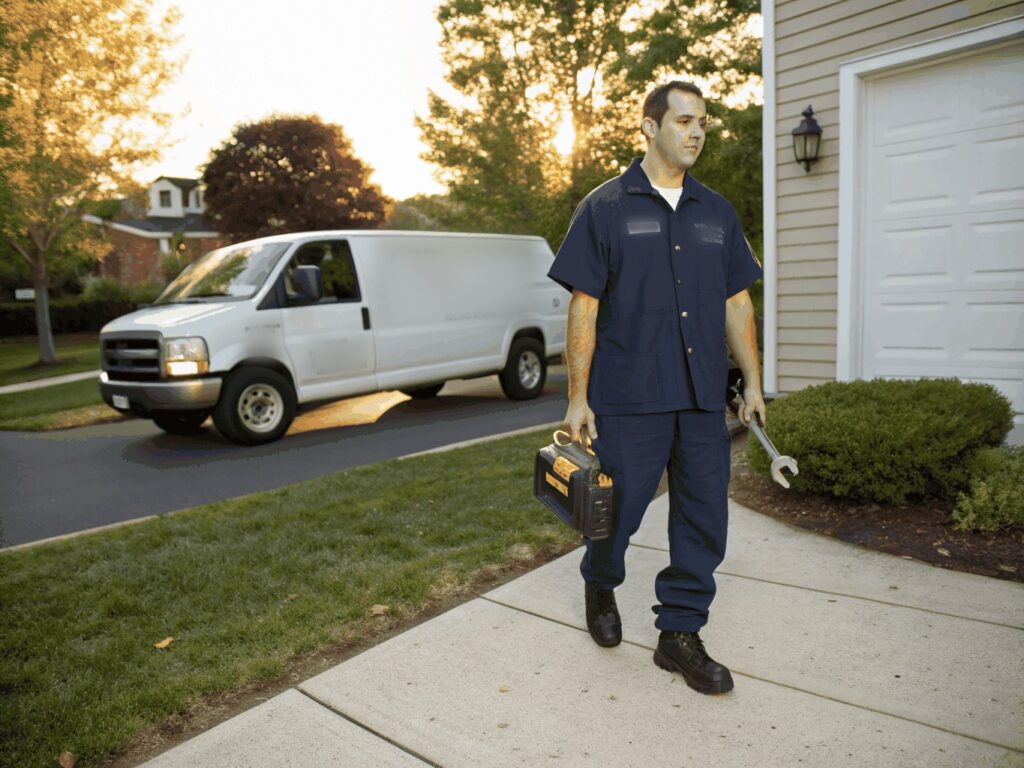
When an appliance fails, the question is not just "who do I call" but "what actually happens next." Here is the full process for a same-day appliance repair in Jonesboro, from the first call to the warranty.
Step 1 — The call (2 minutes)
Have three things ready: the appliance type and brand, the model number (inside the door, on the back, or under the lid — a phone photo is perfect), and a one-sentence description of the symptom. "Samsung front-load washer, won't drain, water stays in the drum" tells a technician more than ten minutes of guessing. We confirm a same-day window for Jonesboro and Morrow and Riverdale on most weekday calls before noon.
Step 2 — Diagnosis (20–40 minutes)
The technician tests the appliance, identifies the failed part, and gives you a written quote: part, labor, total, and warranty. Nothing is replaced until you approve it. If the diagnostic finds the appliance is not worth repairing, you get that answer and an honest replacement recommendation instead of a repair you will regret.
Step 3 — The repair
| Appliance | Typical repair time | Parts usually on the truck? |
|---|---|---|
| Refrigerator | 45–90 min | Fans, relays, gaskets, defrost parts — yes |
| Washer | 45–75 min | Pumps, switches, belts, hoses — yes |
| Dryer | 30–60 min | Elements, fuses, belts, rollers — yes |
| Dishwasher | 45–90 min | Pumps, valves, latches — yes |
| Oven / range | 30–75 min | Igniters, elements, sensors — yes; boards usually ordered |
| Microwave | 30–45 min | Switches, fuses, diodes — yes |
Roughly 80% of Jonesboro repairs are completed in the first visit. When a part has to be ordered — control boards, compressors, brand-specific assemblies — it is typically 2–4 business days and the return visit is scheduled before the technician leaves.
Step 4 — Payment and warranty
You pay when the repair is done and tested in front of you. Parts and labor carry a written warranty — ask for the term in writing. If the same part fails inside the warranty window, the return visit is covered.
How to prepare for the visit
- Clear a path to the appliance and a few feet of working space around it.
- For a washer or dishwasher, know where the water shutoff valves are.
- For a refrigerator, move food to a cooler if it has been warm for more than four hours.
- For a dryer, clear the lint trap and check that the vent behind it is accessible.
- Keep pets in another room.
Who we are and who we are not
Local technicians who repair every major brand — Samsung, LG, Whirlpool, GE, Maytag, Frigidaire, Kenmore, KitchenAid, Bosch. We are an independent service, not a manufacturer's authorized repair center, which means no brand-mandated pricing and no three-week wait for a factory slot. Homes across Lake Spivey, downtown Jonesboro, Rex and the rest of Clayton County share the same Georgia realities: long humid summers that make compressors and condensers work overtime, hard-ish municipal water that leaves scale in heating elements and valves, heavy spring pollen that clogs anything with a coil or a vent, and a housing stock that ranges from 1970s ranches to builder-grade homes where the original appliances are now hitting year eight to twelve.
Need an appliance fixed in Jonesboro today?
Call (470) 847-9076 or request service online. Same-day appointments across Jonesboro and Morrow, Riverdale, Stockbridge.
Frequently asked questions
What areas do you serve around Jonesboro?
Jonesboro, Lake Spivey, downtown Jonesboro, Rex and Morrow, Riverdale, Stockbridge, McDonough.
Do I need to be home for the repair?
Yes — an adult needs to approve the quote and be present while the technician works.
What if the part has to be ordered?
Most parts arrive in 2–4 business days. The return visit is scheduled before the technician leaves, and there is no second diagnostic fee.
Do you repair commercial appliances in Jonesboro?
Call and ask — many commercial refrigeration and laundry repairs are handled, depending on the equipment.
Appliance-by-Appliance Notes
Safety Habits Every Household Should Follow
Keep the area around appliances clear of cardboard, cleaning chemicals, and clutter. Never defeat a safety switch, and replace damaged cords immediately. Test smoke and carbon monoxide detectors, especially if you have gas appliances. Teach everyone in the home where the gas shut-off and the electrical panel are located.
Parts Availability and OEM Quality
Technicians who stock common OEM parts can often finish a repair in a single visit. Aftermarket parts vary in quality, and some void warranties. Ask whether the part is OEM, and keep the old part for your records. Model and serial numbers on the appliance label let the technician order the exact match.
Warranty, Home Protection Plans and Paperwork
Check whether your appliance is still under the manufacturer warranty before paying for service, and keep receipts and model numbers together. Home warranty plans may require their own approved contractors and may limit coverage for pre-existing issues. If you pay out of pocket, keep the invoice, because our 90-day parts and labor warranty is honored with that record.
Bake and Broil Element Failures
A glowing bake element that blisters, cracks, or goes dark means the element has failed. Elements are simple to test with a meter and are a common, affordable repair. Turn off the breaker before touching any wiring. If both bake and broil are dead, the problem is more likely a control board, a thermal fuse, or the selector switch.
How a Dryer Heats and Moves Air
A dryer pulls room air across a gas burner or electric heating element, tumbles clothes in the drum, and pushes the moist air out through the vent. Thermal fuses, high-limit thermostats, a cycling thermostat, a moisture sensor, and a belt-driven motor control the process. When a dryer runs but does not dry, the cause is nearly always airflow, heat, or both. Checking airflow first costs nothing and often solves the problem.
Why Metro Atlanta Homes Face Unique Appliance Wear
Clayton County and the surrounding Georgia suburbs share long humid summers, heavy pollen seasons, and frequent thunderstorms. Heat and humidity increase the load on refrigerators and dryers, while power surges from storms shorten the life of control boards. Surge protection, good ventilation, and regular cleaning are simple steps that protect every appliance in the home.
How a Microwave Heats
A magnetron produces microwave energy, a waveguide directs it into the cavity, and a turntable and stirrer spread it around. A high-voltage transformer, capacitor, and diode supply power to the magnetron. Because the high-voltage parts store dangerous charge even when unplugged, microwave repair belongs to trained technicians.
How a Dishwasher Cleans
A dishwasher fills with water, heats it, sprays it from rotating arms, drains it, and often dries with a heating element or a condensation process. An inlet valve, circulation pump, drain pump, heating element, float switch, and control board manage each step. If dishes come out dirty, wet, or the cycle never starts, one of those systems is the likely culprit.
What Happens During a Wash Cycle
A washer fills through two inlet valves, agitates or tumbles the load, drains through a pump, and spins to extract water. A lid or door switch, a water level sensor, a drive motor, and a control board coordinate each step. When the machine stops mid-cycle, flashes an error, or leaves clothes soaked, one of those parts has usually lost its signal or power. Reading the sequence helps a technician narrow the fault quickly.
Spray Arms, Filters and Hard Water
Clogged spray arm holes and dirty filters are the top reasons for gritty or cloudy dishes. Remove and rinse the lower filter monthly, and clear the spray arm nozzles with a toothpick. Metro Atlanta water is relatively soft, but mineral film can still build up in some homes, and a rinse aid helps prevent spots and film.
Typical Repair Cost Ranges
These national ranges help you set expectations before you call. Your exact quote depends on the model, the failed part, and labor time, and it is always given upfront.
| Service | Typical national range | Notes |
|---|---|---|
| Diagnostic visit | $50 – $150 | Waived with any repair |
| Refrigerator repair | $200 – $500 | Flat-rate quote before work |
| Washer repair | $125 – $500 | Flat-rate quote before work |
| Dryer repair | $150 – $500 | Flat-rate quote before work |
| Dishwasher repair | $100 – $300 | Flat-rate quote before work |
| Oven or range repair | $100 – $400 | Flat-rate quote before work |
| Warranty | 90 days | Parts and labor |
Frequently Asked Questions
How much does appliance repair cost in Georgia?
Costs vary by part and labor. The diagnostic visit usually runs $50 to $150 and is waived with any repair. You receive an upfront flat-rate quote before work begins, so you decide with the full price in hand.
Do you offer same-day appliance service?
Yes. Same-day diagnostics are available when scheduled, and our technicians carry common OEM parts so many repairs finish in one visit. Call (470) 847-9076 to reserve a window.
Is the repair covered by a warranty?
Every repair includes a 90-day parts and labor warranty. If the same problem returns within that period, we come back and make it right.
What should I have ready before the technician arrives?
Locate the model and serial number label, write down any error codes, and note when the problem began. Clear a path to the appliance so the technician can work safely.
Ready to Schedule Your Appliance Repair?
Same-day diagnostics available. Diagnostic fee waived with repair. 90-day parts & labor warranty.
Call (470) 847-9076