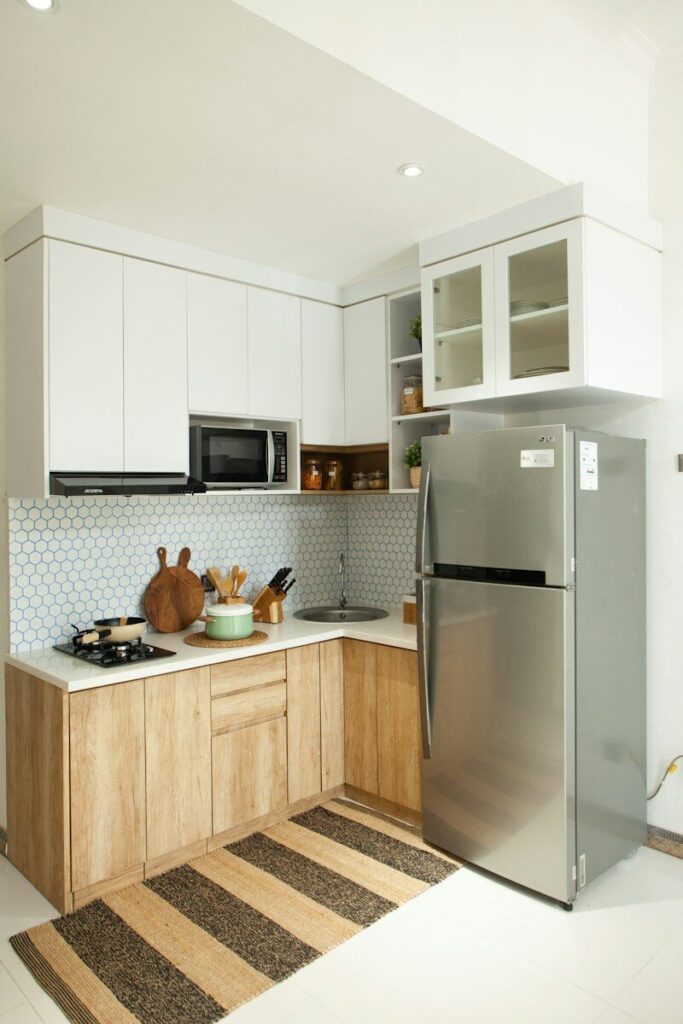
Set the refrigerator near 37 to 40 degrees Fahrenheit and the freezer near 0, check with a thermometer and give changes 24 hours to settle.
Recommended settings
Refrigerator: 37 to 40 degrees. Freezer: about 0 degrees.
How to check
Use an appliance thermometer in a glass of water on the middle shelf.
If food spoils early
Too warm: check coils, gasket and airflow. See refrigerator not cooling.
If food freezes
Too cold: raise the setting, clear vents. See refrigerator too cold.
Frequently asked questions
How often should I check?
Seasonally.
Does a full fridge matter?
Airflow matters.
Is the middle shelf best?
Yes for testing.
Do I adjust in summer?
Occasionally.
Warranty, Home Protection Plans and Paperwork
Check whether your appliance is still under the manufacturer warranty before paying for service, and keep receipts and model numbers together. Home warranty plans may require their own approved contractors and may limit coverage for pre-existing issues. If you pay out of pocket, keep the invoice, because our 90-day parts and labor warranty is honored with that record.
Temperature Settings That Protect Your Food
The refrigerator section should sit at or just below 40 degrees Fahrenheit, and the freezer at 0 degrees. Use an inexpensive appliance thermometer in a glass of water on the middle shelf, and check it after twelve hours. Avoid cramming shelves, because packed food blocks the vents that carry cold air from the freezer to the fresh-food side. If readings drift above 41 degrees for more than a few hours, perishable food is at risk.
When to Call a Professional
Stop and call a technician when you see burning smells, sparks, water pooling on the floor, a tripping breaker, or gas odors. Electrical, gas, sealed refrigerant, and high-voltage work present real safety risks. A homeowner can clean and reset, but repairs involving live circuits should be handled by trained professionals.
Defrost System Problems and Frost Buildup
Frost-free refrigerators rely on a defrost heater, a defrost thermostat or sensor, and a timer or control board to melt frost off the evaporator every few hours. If one part fails, ice slowly buries the coil and airflow stops, so the freezer may stay cold while the fridge side warms up. Heavy frost on the back freezer wall is the usual clue. A technician can confirm the failed component with a meter, so you only replace what is truly bad.
Condenser Coils and Airflow Around the Cabinet
Dust and pet hair on the condenser coils are among the most common reasons a fridge works harder than it should. Unplug the unit, slide it out, and vacuum the coils with a soft brush at least twice a year. Leave about an inch of clearance behind and beside the cabinet so heat can escape. In a Georgia kitchen that already runs warm through the summer, blocked airflow can push compressor run time up sharply and shorten its life.
Parts Availability and OEM Quality
Technicians who stock common OEM parts can often finish a repair in a single visit. Aftermarket parts vary in quality, and some void warranties. Ask whether the part is OEM, and keep the old part for your records. Model and serial numbers on the appliance label let the technician order the exact match.
Seasonal Care for Georgia Homes
Spring pollen clogs vents and filters, summer heat pushes cooling systems, fall brings leaves around outdoor vents, and winter cold can stress water lines in unheated garages. Use the change of each season as a reminder to clean filters, inspect hoses, and confirm that appliances are running smoothly before you need them most.
Why Metro Atlanta Homes Face Unique Appliance Wear
Clayton County and the surrounding Georgia suburbs share long humid summers, heavy pollen seasons, and frequent thunderstorms. Heat and humidity increase the load on refrigerators and dryers, while power surges from storms shorten the life of control boards. Surge protection, good ventilation, and regular cleaning are simple steps that protect every appliance in the home.
Noises You Should Not Ignore
Normal refrigerators hum, click, and gurgle. Loud rattling usually means a loose drain pan or a fan blade touching ice. Squealing often comes from an evaporator or condenser fan motor. A clicking sound that repeats every few minutes can be a failing start relay trying to start the compressor. Because a compressor is the most expensive part in the cabinet, catching the noise early can mean a modest repair instead of a replacement.
Water Lines, Filters and Ice Makers
Ice makers and water dispensers depend on a fill valve, a tube that can freeze, and a filter that should be replaced about every six months. Slow dispensing, small cubes, or a hollow ice tray often point to a clogged filter or a partly frozen fill tube. Georgia water can carry sediment, which accelerates valve wear. Replace the filter on schedule and check the line behind the unit for kinks when you move the fridge.
Door Gaskets, Hinges and Leveling
A torn or hardened door gasket lets warm humid air leak in, which causes frost, sweating, and long run cycles. Test it by closing a dollar bill in the door; if it slides out easily, the seal is weak. A cabinet that is not level can also keep the door from closing fully. Cleaning the gasket with warm soapy water often restores flexibility, while a cracked gasket is an inexpensive replacement that pays for itself in energy savings.
Serving Clayton, Henry and Fayette Counties
Service Lead Heroes technicians cover Jonesboro, Riverdale, Morrow, Forest Park, Lake City, Lovejoy, and nearby cities in Clayton, Henry, and Fayette Counties. Call (470) 847-9076 to schedule, and describe the brand, model, and symptoms so we can arrive prepared with likely parts.
What Our Diagnostic Visit Includes
Every visit starts with a full inspection, test of the suspect components, and a flat-rate quote before any work begins. The diagnostic fee is waived when you approve the repair, parts and labor are covered by a 90-day warranty, and same-day appointments are available when scheduled. You approve the price first, so there are no surprises.
Preventing Food Waste During a Breakdown
When a fridge stops cooling, keep the doors closed. A full freezer holds safe temperatures for about two days, and a half-full one for about a day. Move essentials to a cooler with ice, and group meat and dairy together. Do not refreeze thawed food that stayed above 40 degrees for more than two hours. Calling for same-day diagnostics quickly is usually cheaper than replacing a cabinet of groceries.
Preventive Maintenance Calendar
Every few months, take ten minutes to vacuum coils, clean filters and lint traps, inspect hoses and gaskets, and run cleaning cycles. Once a year, schedule a vent cleaning and a visual check of power cords and water lines. Preventive care costs far less than emergency repairs and keeps warranties valid.
Renters, Landlords and Property Managers
Rental properties need quick, documented service to keep tenants comfortable and protect the unit. Landlords can approve repairs by phone, receive a written invoice, and schedule access with the tenant. Tenants should report problems promptly and avoid DIY electrical or gas work, which can create liability.
Energy Efficiency and Utility Savings
A well-maintained appliance uses less electricity and water. Dirty coils, clogged vents, worn gaskets, and weak heating elements all force the unit to run longer. Fixing them can reduce utility bills noticeably through the summer. Keep appliances level, avoid overloading, and use energy-saving cycles where they make sense.
How to Describe a Problem to a Technician
Good details shorten the visit. Mention when the problem started, whether it happens every cycle or randomly, any sounds, smells, or error codes, and anything you already tried. Photos of the model label and the symptom are very helpful. The more precisely you describe the issue, the more likely the technician arrives with the right part.
Why Early Repairs Save Money
Small problems grow. A worn belt can damage a drum, a leaking hose can ruin a floor, and a clogged coil can burn out a compressor. Calling at the first sign of trouble usually costs a fraction of waiting for a total failure. With upfront flat-rate pricing and the diagnostic fee waived with any repair, there is little reason to wait.
Typical Repair Cost Ranges
These national ranges help you set expectations before you call. Your exact quote depends on the model, the failed part, and labor time, and it is always given upfront.
| Service | Typical national range | Notes |
|---|---|---|
| Diagnostic visit | $50 – $150 | Waived with any repair |
| Refrigerator repair | $200 – $500 | Flat-rate quote before work |
| Warranty | 90 days | Parts and labor |
Frequently Asked Questions
Should I repair or replace an older refrigerator?
As a rule of thumb, if the repair costs less than half of a new unit and the appliance is under about twelve years old, repair is usually the better value. We will tell you honestly if replacement makes more sense.
Do you offer same-day refrigerator service?
Yes. Same-day diagnostics are available when scheduled, and our technicians carry common OEM parts so many repairs finish in one visit. Call (470) 847-9076 to reserve a window.
What should I have ready before the technician arrives?
Locate the model and serial number label, write down any error codes, and note when the problem began. Clear a path to the appliance so the technician can work safely.
Is the repair covered by a warranty?
Every repair includes a 90-day parts and labor warranty. If the same problem returns within that period, we come back and make it right.
Need an appliance fixed? Call (470) 847-9076 or request service online.
Related: Appliance repair · Refrigerator cost guide · Repair or replace
Pricing guides: Refrigerator repair cost guide
Related problems: Refrigerator Not Making Ice · Refrigerator Leaking Water