Oven Not Heating Up? 5 Reasons and What to Check First
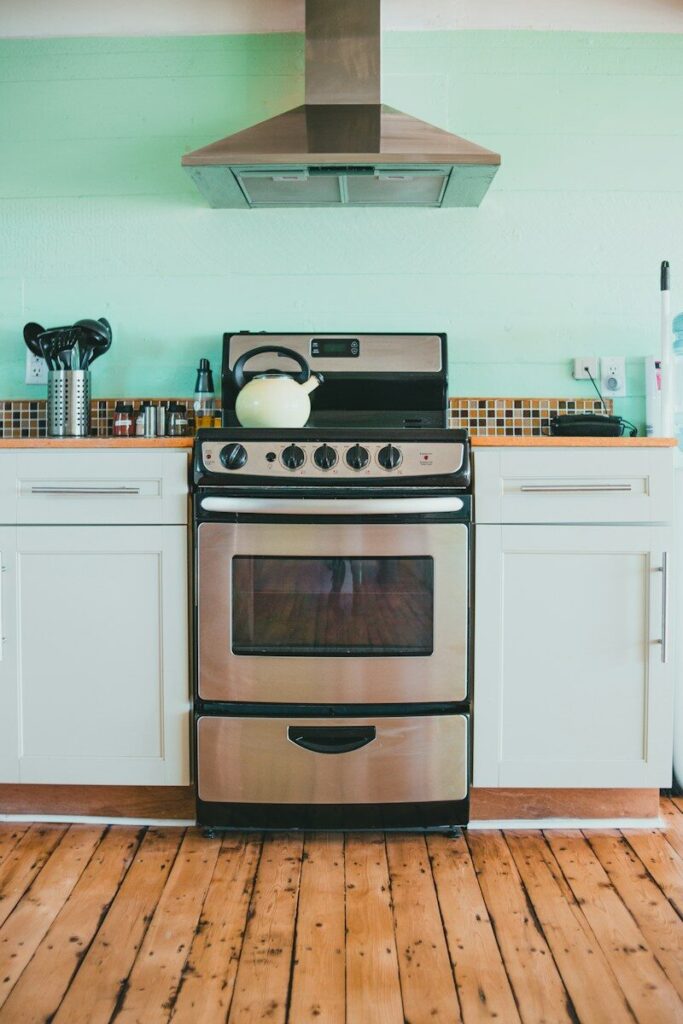
An oven that will not heat is most often a burned-out bake element on an electric oven or a weak igniter on a gas oven, with a failed temperature sensor, control board or tripped breaker as the other usual suspects. Check the breaker and look at the element, then call for repair if it is still cold.
Electric or gas: know which you have
The causes split cleanly. Electric ovens heat with a bake element at the bottom and a broil element at the top. Gas ovens use an igniter that glows hot enough to open the gas valve and light the burner. Knowing which you have narrows the problem to one or two parts.
Five reasons an oven stops heating
- Failed bake element (electric). Look for blisters, breaks or a spot that never glows red.
- Weak igniter (gas). It glows but cannot draw enough current to open the valve, so the burner never lights.
- Faulty temperature sensor. A bad probe tells the control the oven is hot, or reads wrong, and the heat cuts out or runs low.
- Control board or relay failure. The control stops sending power to the element or gas valve.
- Power or supply problem. A tripped double-pole breaker on an electric range, or a closed gas valve, leaves the oven dead or half-working.
Safe checks before you call
Reset the breaker, make sure the clock and display work, and run a bake cycle while watching the element. If the broil element works and the bake element does not, that points straight at the bake element. Never poke around in a gas oven that smells of gas.
Typical cost
Oven repairs nationally run roughly $100 to $400 for most common failures. The element or igniter is usually the cheap end; a control board is the high end. Our oven repair cost guide explains the tiers.
When to stop and call
Uneven heating, a clicking igniter with no flame, or an oven that heats only to a low temperature all deserve a technician visit. See oven not heating evenly if the problem is hot spots rather than no heat.
Frequently asked questions
Why does my oven light work but not heat?
The light has its own circuit. The bake element, igniter or control that powers the heat is a separate path that can fail on its own.
Can I replace an oven element myself?
Some homeowners do, with the power off at the breaker. If you are not comfortable, a technician can do it quickly.
Why does my gas oven click but not light?
Usually a weak igniter or a gas supply issue. A technician can test igniter amperage.
Is it worth repairing an older oven?
If the repair is one part and the oven is under about twelve years old, usually yes.
Does a self-clean cycle cause failures?
The high heat can stress elements and control boards, so failures sometimes show up right after a clean cycle.
Self-Clean Cycle Cautions
The self-clean cycle drives temperatures near 900 degrees and can trip a thermal fuse or damage the control board. Remove racks and loose debris first, ventilate the kitchen, and keep pets and birds out of the room. A failure right after a self-clean cycle is common and usually involves the door lock motor or the fuse.
How to Describe a Problem to a Technician
Good details shorten the visit. Mention when the problem started, whether it happens every cycle or randomly, any sounds, smells, or error codes, and anything you already tried. Photos of the model label and the symptom are very helpful. The more precisely you describe the issue, the more likely the technician arrives with the right part.
Parts Availability and OEM Quality
Technicians who stock common OEM parts can often finish a repair in a single visit. Aftermarket parts vary in quality, and some void warranties. Ask whether the part is OEM, and keep the old part for your records. Model and serial numbers on the appliance label let the technician order the exact match.
Warranty, Home Protection Plans and Paperwork
Check whether your appliance is still under the manufacturer warranty before paying for service, and keep receipts and model numbers together. Home warranty plans may require their own approved contractors and may limit coverage for pre-existing issues. If you pay out of pocket, keep the invoice, because our 90-day parts and labor warranty is honored with that record.
Door, Hinges and Seals
A worn gasket or loose hinge lets heat escape and increases cooking time and electric bill. Check that the door closes evenly, and look for gaps along the sides. Replacing the gasket or the hinge assembly is generally straightforward and improves cooking consistency.
Why Metro Atlanta Homes Face Unique Appliance Wear
Clayton County and the surrounding Georgia suburbs share long humid summers, heavy pollen seasons, and frequent thunderstorms. Heat and humidity increase the load on refrigerators and dryers, while power surges from storms shorten the life of control boards. Surge protection, good ventilation, and regular cleaning are simple steps that protect every appliance in the home.
How Ovens and Ranges Heat
Electric ovens use a bake element and a broil element controlled by a temperature sensor and a control board. Gas ovens use an igniter and safety valve to light the burner. Stove top burners use infinite switches or a spark module. When food bakes unevenly, the oven takes a long time to preheat, or a burner will not light, the problem is usually a sensor, igniter, element, or switch rather than the whole range.
Why Early Repairs Save Money
Small problems grow. A worn belt can damage a drum, a leaking hose can ruin a floor, and a clogged coil can burn out a compressor. Calling at the first sign of trouble usually costs a fraction of waiting for a total failure. With upfront flat-rate pricing and the diagnostic fee waived with any repair, there is little reason to wait.
Safety Habits Every Household Should Follow
Keep the area around appliances clear of cardboard, cleaning chemicals, and clutter. Never defeat a safety switch, and replace damaged cords immediately. Test smoke and carbon monoxide detectors, especially if you have gas appliances. Teach everyone in the home where the gas shut-off and the electrical panel are located.
Preventive Maintenance Calendar
Every few months, take ten minutes to vacuum coils, clean filters and lint traps, inspect hoses and gaskets, and run cleaning cycles. Once a year, schedule a vent cleaning and a visual check of power cords and water lines. Preventive care costs far less than emergency repairs and keeps warranties valid.
Understanding Repair Costs in Georgia
Costs depend on the appliance, part, and labor. National price ranges run roughly $50 to $150 for a diagnostic visit, $100 to $300 for dishwashers, $100 to $400 for ovens, $125 to $500 for washers, $150 to $500 for dryers, and $200 to $500 for refrigerators. A flat-rate quote before work keeps you in control, and the diagnostic fee is waived with any repair.
What Our Diagnostic Visit Includes
Every visit starts with a full inspection, test of the suspect components, and a flat-rate quote before any work begins. The diagnostic fee is waived when you approve the repair, parts and labor are covered by a 90-day warranty, and same-day appointments are available when scheduled. You approve the price first, so there are no surprises.
Serving Clayton, Henry and Fayette Counties
Service Lead Heroes technicians cover Jonesboro, Riverdale, Morrow, Forest Park, Lake City, Lovejoy, and nearby cities in Clayton, Henry, and Fayette Counties. Call (470) 847-9076 to schedule, and describe the brand, model, and symptoms so we can arrive prepared with likely parts.
Gas Safety Basics
If you smell gas, do not light anything or flip switches. Open windows, leave the house, and call your gas utility from outside. Gas appliances should be inspected periodically for stable flame color and secure fittings. A blue flame with a steady cone is normal; yellow or orange flames suggest a burner problem.
Typical Repair Cost Ranges
These national ranges help you set expectations before you call. Your exact quote depends on the model, the failed part, and labor time, and it is always given upfront.
| Service | Typical national range | Notes |
|---|---|---|
| Diagnostic visit | $50 – $150 | Waived with any repair |
| Oven or range repair | $100 – $400 | Flat-rate quote before work |
| Warranty | 90 days | Parts and labor |
Frequently Asked Questions
How much does oven repair cost in Georgia?
Costs vary by part and labor. The diagnostic visit usually runs $50 to $150 and is waived with any repair. You receive an upfront flat-rate quote before work begins, so you decide with the full price in hand.
Should I repair or replace an older oven?
As a rule of thumb, if the repair costs less than half of a new unit and the appliance is under about twelve years old, repair is usually the better value. We will tell you honestly if replacement makes more sense.
Is the repair covered by a warranty?
Every repair includes a 90-day parts and labor warranty. If the same problem returns within that period, we come back and make it right.
What should I have ready before the technician arrives?
Locate the model and serial number label, write down any error codes, and note when the problem began. Clear a path to the appliance so the technician can work safely.
Need it fixed today? Jonesboro Appliance Repair serves Jonesboro and Clayton County with same-day diagnostics. Call (470) 847-9076 or request service online.
Related: Oven not heating · Oven repair cost · Stove burner not working
Our certified technicians serve Jonesboro and the surrounding Clayton County area with prompt, reliable appliance repair. We stand behind every repair with our 90-day parts and labor warranty, and the diagnostic fee is always waived when you proceed with the repair. Call (470) 847-9076 to schedule same-day service today.