Why Is My Dishwasher Leaving a Film on Dishes?
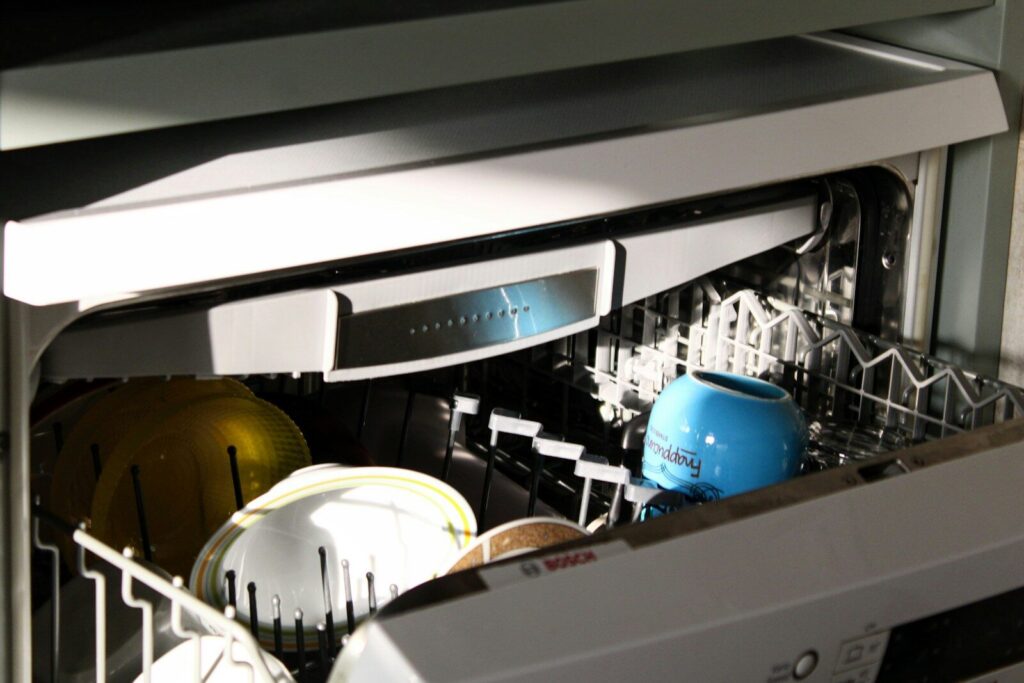
Dishes that come out cloudy or gritty usually mean food debris is recirculating from a clogged filter, spray arms are blocked, the water is not hot enough, or too much or too little detergent or rinse aid is being used; clean the filter and spray arms first.
Clean the filter and spray arms
Rinse the filter and check each spray arm hole with a toothpick. Mineral and food debris plug these quickly and leave dishes gritty.
Water temperature
Dishwashers need hot water, commonly around 120 degrees Fahrenheit, to dissolve detergent. Run the kitchen tap until hot before starting a cycle.
Detergent and rinse aid
Powder or gel past its date loses strength, and too much detergent leaves a film. Use rinse aid if you notice spotting and fresh detergent packs for best results.
Loading mistakes
Large pans blocking the spray arms and plates nested together prevent water from reaching surfaces. Leave space between items.
When it is a repair
If the problem persists after cleaning, the circulation pump, a failing inlet valve or a heating element issue may be involved. See dishwasher not cleaning and our dishwasher repair cost guide.
Frequently asked questions
Is the film mineral buildup?
It can be. Georgia water is generally on the softer side, so detergent overuse is a frequent cause.
Should I pre-rinse dishes?
Scrape rather than rinse; modern detergents need some food soil to work.
How often to clean the filter?
Monthly.
Does vinegar help?
It can reduce spotting but check your manual before regular use.
What if only the top rack is dirty?
A clogged or failed upper spray arm.
Drying Performance and Heating Elements
Wet dishes after the cycle can result from a failed heating element, an empty rinse aid dispenser, or a vent that is stuck. Plastic items dry poorly in every dishwasher, so check what is wet before blaming the machine. If everything is wet and the tub feels cool at the end, the element is the first thing to test.
How a Dishwasher Cleans
A dishwasher fills with water, heats it, sprays it from rotating arms, drains it, and often dries with a heating element or a condensation process. An inlet valve, circulation pump, drain pump, heating element, float switch, and control board manage each step. If dishes come out dirty, wet, or the cycle never starts, one of those systems is the likely culprit.
Warranty, Home Protection Plans and Paperwork
Check whether your appliance is still under the manufacturer warranty before paying for service, and keep receipts and model numbers together. Home warranty plans may require their own approved contractors and may limit coverage for pre-existing issues. If you pay out of pocket, keep the invoice, because our 90-day parts and labor warranty is honored with that record.
Serving Clayton, Henry and Fayette Counties
Service Lead Heroes technicians cover Jonesboro, Riverdale, Morrow, Forest Park, Lake City, Lovejoy, and nearby cities in Clayton, Henry, and Fayette Counties. Call (470) 847-9076 to schedule, and describe the brand, model, and symptoms so we can arrive prepared with likely parts.
What Our Diagnostic Visit Includes
Every visit starts with a full inspection, test of the suspect components, and a flat-rate quote before any work begins. The diagnostic fee is waived when you approve the repair, parts and labor are covered by a 90-day warranty, and same-day appointments are available when scheduled. You approve the price first, so there are no surprises.
Loading Habits That Extend Machine Life
Scrape large food but skip pre-rinsing, because modern sensors depend on food soil. Keep tall items from blocking the spray arms, and avoid nesting bowls. Run hot water at the sink first for a few seconds to give the cycle a hot start. These habits improve results and reduce service calls.
Why Early Repairs Save Money
Small problems grow. A worn belt can damage a drum, a leaking hose can ruin a floor, and a clogged coil can burn out a compressor. Calling at the first sign of trouble usually costs a fraction of waiting for a total failure. With upfront flat-rate pricing and the diagnostic fee waived with any repair, there is little reason to wait.
Odors and Cleaning the Tub
A sour smell usually means food trapped in the filter or a drain hose that does not rise high enough. Run a dishwasher cleaner monthly, or a hot cycle with a cup of white vinegar on the top rack. Persistent odors may signal a drain hose problem that requires adjustment.
Door Latch, Float Switch and Start Problems
A dishwasher that will not start may have a faulty door latch switch, a stuck float switch, a blown thermal fuse, or a control lockout. Try a reset by turning off the breaker for a minute. If the display is dark or buttons do nothing, a board or switch diagnosis is the next step.
Renters, Landlords and Property Managers
Rental properties need quick, documented service to keep tenants comfortable and protect the unit. Landlords can approve repairs by phone, receive a written invoice, and schedule access with the tenant. Tenants should report problems promptly and avoid DIY electrical or gas work, which can create liability.
Power Surges, Storms and Electrical Protection
Georgia thunderstorms and utility switching can send voltage spikes through household wiring. Control boards and sensors are the first parts to suffer. Plug major appliances into properly grounded outlets, consider a whole-home surge protector, and unplug sensitive units during severe lightning. If an appliance dies right after a storm, tell the technician, because it points straight toward the control board.
When to Repair and When to Replace
Dishwashers average nine to twelve years. Pumps, valves, latches, and heating elements are repair-worthy at most ages. If the tub is rusted, leaking, or the control board and pump have both failed, replacement may be wiser.
Preventive Maintenance Calendar
Every few months, take ten minutes to vacuum coils, clean filters and lint traps, inspect hoses and gaskets, and run cleaning cycles. Once a year, schedule a vent cleaning and a visual check of power cords and water lines. Preventive care costs far less than emergency repairs and keeps warranties valid.
Energy Efficiency and Utility Savings
A well-maintained appliance uses less electricity and water. Dirty coils, clogged vents, worn gaskets, and weak heating elements all force the unit to run longer. Fixing them can reduce utility bills noticeably through the summer. Keep appliances level, avoid overloading, and use energy-saving cycles where they make sense.
Why Metro Atlanta Homes Face Unique Appliance Wear
Clayton County and the surrounding Georgia suburbs share long humid summers, heavy pollen seasons, and frequent thunderstorms. Heat and humidity increase the load on refrigerators and dryers, while power surges from storms shorten the life of control boards. Surge protection, good ventilation, and regular cleaning are simple steps that protect every appliance in the home.
Seasonal Care for Georgia Homes
Spring pollen clogs vents and filters, summer heat pushes cooling systems, fall brings leaves around outdoor vents, and winter cold can stress water lines in unheated garages. Use the change of each season as a reminder to clean filters, inspect hoses, and confirm that appliances are running smoothly before you need them most.
Parts Availability and OEM Quality
Technicians who stock common OEM parts can often finish a repair in a single visit. Aftermarket parts vary in quality, and some void warranties. Ask whether the part is OEM, and keep the old part for your records. Model and serial numbers on the appliance label let the technician order the exact match.
Leaks and Water Damage Prevention
Leaks appear at the door gasket, the inlet valve, the pump seal, or the hose connections. Place a towel on the floor to find the origin. Never keep running a leaking dishwasher over hardwood or laminate flooring, because slow leaks swell subfloors and cabinets and turn a modest repair into a remodel.
Understanding Repair Costs in Georgia
Costs depend on the appliance, part, and labor. National price ranges run roughly $50 to $150 for a diagnostic visit, $100 to $300 for dishwashers, $100 to $400 for ovens, $125 to $500 for washers, $150 to $500 for dryers, and $200 to $500 for refrigerators. A flat-rate quote before work keeps you in control, and the diagnostic fee is waived with any repair.
Typical Repair Cost Ranges
These national ranges help you set expectations before you call. Your exact quote depends on the model, the failed part, and labor time, and it is always given upfront.
| Service | Typical national range | Notes |
|---|---|---|
| Diagnostic visit | $50 – $150 | Waived with any repair |
| Dishwasher repair | $100 – $300 | Flat-rate quote before work |
| Warranty | 90 days | Parts and labor |
Frequently Asked Questions
Should I repair or replace an older dishwasher?
As a rule of thumb, if the repair costs less than half of a new unit and the appliance is under about twelve years old, repair is usually the better value. We will tell you honestly if replacement makes more sense.
How much does dishwasher repair cost in Georgia?
Costs vary by part and labor. The diagnostic visit usually runs $50 to $150 and is waived with any repair. You receive an upfront flat-rate quote before work begins, so you decide with the full price in hand.
What should I have ready before the technician arrives?
Locate the model and serial number label, write down any error codes, and note when the problem began. Clear a path to the appliance so the technician can work safely.
Is the repair covered by a warranty?
Every repair includes a 90-day parts and labor warranty. If the same problem returns within that period, we come back and make it right.
Need it fixed today? Jonesboro Appliance Repair serves Jonesboro and Clayton County with same-day diagnostics. Call (470) 847-9076 or request service online.
Related: Dishwasher leaking · Whirlpool dishwasher not draining · Samsung dishwasher not draining