Appliance Not Working: Symptoms That Point to a Part Problem vs. a Simple Issue
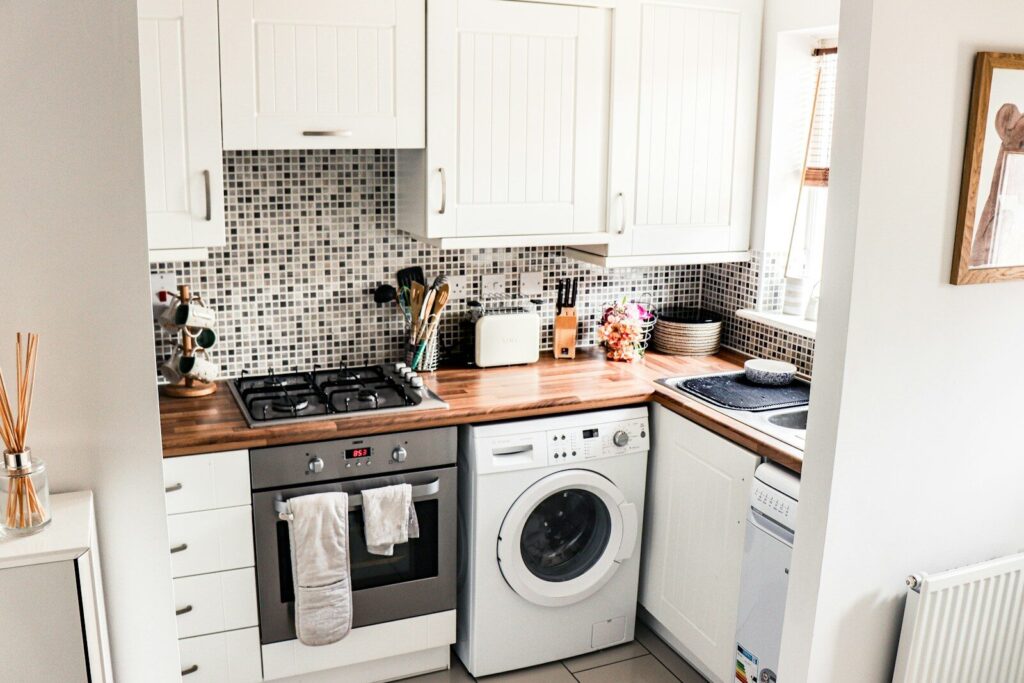
Not every appliance problem means the same thing. Some symptoms point to a specific failed part; others are minor issues you might be able to resolve yourself. Here is how to tell the difference.
Likely a simple issue
- No power at all: often a tripped breaker, unplugged cord, or a blown fuse rather than an internal fault.
- Dishwasher leaving spots or film: frequently a detergent, water hardness, or loading issue rather than a mechanical failure.
- Dryer taking longer than usual: very often a clogged lint vent rather than a motor or heating element problem.
Likely points to a specific part
- Loud grinding, squealing, or banging during a cycle: often a worn bearing, belt, or motor mount.
- Appliance runs but does not heat, cool, or clean as expected: commonly a heating element, compressor, thermostat, or pump issue depending on the appliance.
- Error code that repeats after a reset: usually points to a sensor or control board rather than a one-off glitch.
- Water pooling underneath the appliance: often a worn door seal, hose connection, or internal leak — usually needs a technician to locate safely.
- Appliance shuts off mid-cycle repeatedly: frequently a safety sensor or control board issue rather than user error.
When in doubt
If a symptom could be either, try the simple checks first (power, filters, vents, load size) since they cost nothing. If the problem persists, or involves anything electrical, gas, or refrigerant-related, it is time to call a technician rather than keep guessing.
Not sure which category your issue falls into? Describe what is happening when you call and a technician in the Jonesboro, GA area can usually tell you before even arriving whether it sounds like a quick fix or a part replacement.
Appliance-by-Appliance Notes
How a Refrigerator Actually Keeps Food Cold
A refrigerator moves heat rather than making cold. The compressor pressurizes refrigerant, the condenser coils release that heat into your kitchen, and the evaporator coil absorbs heat from the food compartment. A fan pushes the chilled air around, and a thermostat or control board decides when the cycle starts and stops. When any one of those parts weakens, the symptoms look similar: warm shelves, frost, noise, or a unit that runs constantly. Knowing the cycle helps you describe the problem clearly to a technician and avoid paying for a part that was never the cause.
Drain Pump and Filter Maintenance
Coins, hair ties, lint, and small socks collect in the drain pump or the filter behind a small access panel on most front-load machines. Clean it every couple of months, with a towel and shallow pan ready for the water that spills out. A clogged filter causes slow draining, standing water, and loud humming. A pump that still hums but will not move water may have a jammed impeller or a failed motor.
Serving Clayton, Henry and Fayette Counties
Service Lead Heroes technicians cover Jonesboro, Riverdale, Morrow, Forest Park, Lake City, Lovejoy, and nearby cities in Clayton, Henry, and Fayette Counties. Call (470) 847-9076 to schedule, and describe the brand, model, and symptoms so we can arrive prepared with likely parts.
Safety Habits Every Household Should Follow
Keep the area around appliances clear of cardboard, cleaning chemicals, and clutter. Never defeat a safety switch, and replace damaged cords immediately. Test smoke and carbon monoxide detectors, especially if you have gas appliances. Teach everyone in the home where the gas shut-off and the electrical panel are located.
How a Dryer Heats and Moves Air
A dryer pulls room air across a gas burner or electric heating element, tumbles clothes in the drum, and pushes the moist air out through the vent. Thermal fuses, high-limit thermostats, a cycling thermostat, a moisture sensor, and a belt-driven motor control the process. When a dryer runs but does not dry, the cause is nearly always airflow, heat, or both. Checking airflow first costs nothing and often solves the problem.
How a Microwave Heats
A magnetron produces microwave energy, a waveguide directs it into the cavity, and a turntable and stirrer spread it around. A high-voltage transformer, capacitor, and diode supply power to the magnetron. Because the high-voltage parts store dangerous charge even when unplugged, microwave repair belongs to trained technicians.
Renters, Landlords and Property Managers
Rental properties need quick, documented service to keep tenants comfortable and protect the unit. Landlords can approve repairs by phone, receive a written invoice, and schedule access with the tenant. Tenants should report problems promptly and avoid DIY electrical or gas work, which can create liability.
Power Surges, Storms and Electrical Protection
Georgia thunderstorms and utility switching can send voltage spikes through household wiring. Control boards and sensors are the first parts to suffer. Plug major appliances into properly grounded outlets, consider a whole-home surge protector, and unplug sensitive units during severe lightning. If an appliance dies right after a storm, tell the technician, because it points straight toward the control board.
No Heat but the Light Works
If the display, light, and turntable work but food stays cold, the high-voltage circuit is failing. Common culprits are the diode, capacitor, transformer, or magnetron. Do not open the case. A technician can test components safely and tell you whether a repair makes sense for the age of the unit.
Lint, Vents and Fire Safety
Lint buildup in the vent line is the leading cause of dryer fires and of long drying times. Clean the lint screen every load, and have the full vent duct cleaned at least once a year. Use rigid or semi-rigid metal duct instead of white vinyl or foil accordion ducting. If your vent run is long or has many bends, airflow drops and heat accumulates, which trips safety components and wears out parts early.
Warranty, Home Protection Plans and Paperwork
Check whether your appliance is still under the manufacturer warranty before paying for service, and keep receipts and model numbers together. Home warranty plans may require their own approved contractors and may limit coverage for pre-existing issues. If you pay out of pocket, keep the invoice, because our 90-day parts and labor warranty is honored with that record.
Bake and Broil Element Failures
A glowing bake element that blisters, cracks, or goes dark means the element has failed. Elements are simple to test with a meter and are a common, affordable repair. Turn off the breaker before touching any wiring. If both bake and broil are dead, the problem is more likely a control board, a thermal fuse, or the selector switch.
Condenser Coils and Airflow Around the Cabinet
Dust and pet hair on the condenser coils are among the most common reasons a fridge works harder than it should. Unplug the unit, slide it out, and vacuum the coils with a soft brush at least twice a year. Leave about an inch of clearance behind and beside the cabinet so heat can escape. In a Georgia kitchen that already runs warm through the summer, blocked airflow can push compressor run time up sharply and shorten its life.
When to Call a Professional
Stop and call a technician when you see burning smells, sparks, water pooling on the floor, a tripping breaker, or gas odors. Electrical, gas, sealed refrigerant, and high-voltage work present real safety risks. A homeowner can clean and reset, but repairs involving live circuits should be handled by trained professionals.
Energy Efficiency and Utility Savings
A well-maintained appliance uses less electricity and water. Dirty coils, clogged vents, worn gaskets, and weak heating elements all force the unit to run longer. Fixing them can reduce utility bills noticeably through the summer. Keep appliances level, avoid overloading, and use energy-saving cycles where they make sense.
How Ovens and Ranges Heat
Electric ovens use a bake element and a broil element controlled by a temperature sensor and a control board. Gas ovens use an igniter and safety valve to light the burner. Stove top burners use infinite switches or a spark module. When food bakes unevenly, the oven takes a long time to preheat, or a burner will not light, the problem is usually a sensor, igniter, element, or switch rather than the whole range.
Typical Repair Cost Ranges
These national ranges help you set expectations before you call. Your exact quote depends on the model, the failed part, and labor time, and it is always given upfront.
| Service | Typical national range | Notes |
|---|---|---|
| Diagnostic visit | $50 – $150 | Waived with any repair |
| Refrigerator repair | $200 – $500 | Flat-rate quote before work |
| Washer repair | $125 – $500 | Flat-rate quote before work |
| Dryer repair | $150 – $500 | Flat-rate quote before work |
| Dishwasher repair | $100 – $300 | Flat-rate quote before work |
| Oven or range repair | $100 – $400 | Flat-rate quote before work |
| Warranty | 90 days | Parts and labor |
Frequently Asked Questions
Is the repair covered by a warranty?
Every repair includes a 90-day parts and labor warranty. If the same problem returns within that period, we come back and make it right.
What should I have ready before the technician arrives?
Locate the model and serial number label, write down any error codes, and note when the problem began. Clear a path to the appliance so the technician can work safely.
Do you offer same-day appliance service?
Yes. Same-day diagnostics are available when scheduled, and our technicians carry common OEM parts so many repairs finish in one visit. Call (470) 847-9076 to reserve a window.
How much does appliance repair cost in Georgia?
Costs vary by part and labor. The diagnostic visit usually runs $50 to $150 and is waived with any repair. You receive an upfront flat-rate quote before work begins, so you decide with the full price in hand.
Ready to Schedule Your Appliance Repair?
Same-day diagnostics available. Diagnostic fee waived with repair. 90-day parts & labor warranty.
Call (470) 847-9076