Appliance Repair vs Home Warranty: Which Is Better?
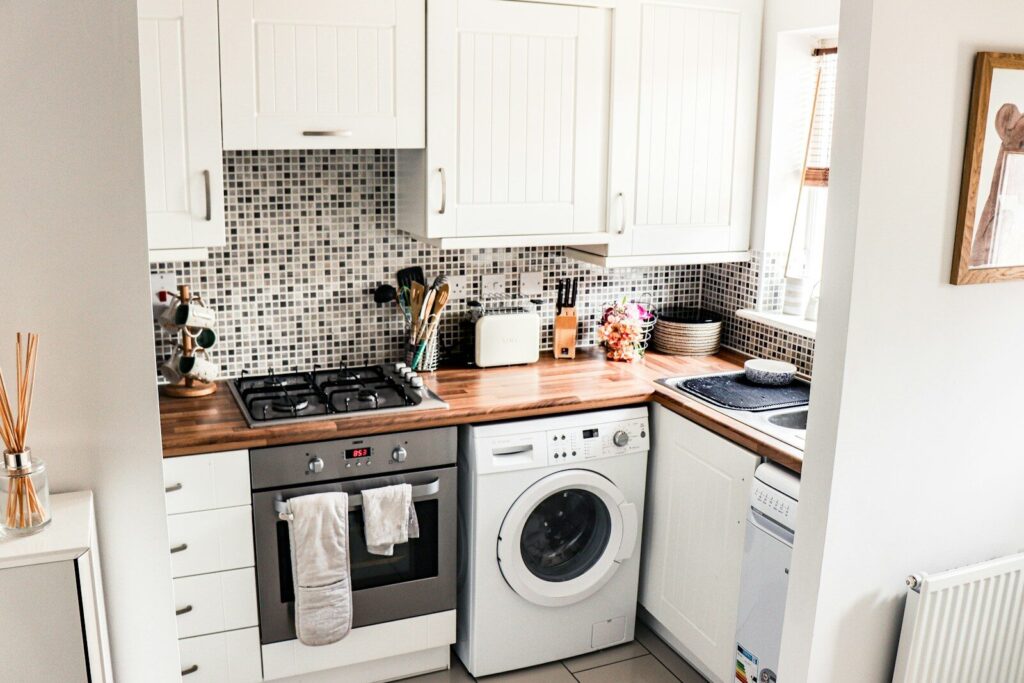
Paying for repairs as needed usually costs less for homeowners with newer, reliable appliances, while a home warranty can make sense for older appliances or buyers who want predictable costs, as long as you accept service fees, coverage limits and scheduling delays.
How each works
With direct repair, you call a technician and pay for the diagnosis and fix. A home warranty plan charges a yearly or monthly fee plus a service fee per visit, and the plan company dispatches a contractor.
Cost comparison
National appliance repairs commonly run about $100 to $500 depending on the appliance. A warranty can cost several hundred dollars a year before any service fees. Add up the likely repairs for your appliances and compare.
Coverage limits
Warranties often cap payouts per item, exclude pre-existing conditions and require approval before work. Read the exclusions carefully.
Speed and choice
With direct repair you pick the company and the day. Warranty plans assign a contractor, which can mean longer waits.
Who benefits
- Older appliances with a history of problems.
- New buyers who want a safety net.
- Households that value predictable budgets.
Get a diagnosis first
Whichever route you choose, understanding the actual failure helps. See repair or replace and our cost guide.
Frequently asked questions
Can I use my own technician with a warranty?
Often not; check the plan.
Are warranties tax-deductible?
Ask a tax professional.
Do manufacturers cover repairs?
Only within the manufacturer warranty period.
What about extended warranties at purchase?
Compare cost to likely repair cost.
Can I get a quote without a visit?
We can give ranges by phone.
Appliance-by-Appliance Notes
When to Call a Professional
Stop and call a technician when you see burning smells, sparks, water pooling on the floor, a tripping breaker, or gas odors. Electrical, gas, sealed refrigerant, and high-voltage work present real safety risks. A homeowner can clean and reset, but repairs involving live circuits should be handled by trained professionals.
How a Dryer Heats and Moves Air
A dryer pulls room air across a gas burner or electric heating element, tumbles clothes in the drum, and pushes the moist air out through the vent. Thermal fuses, high-limit thermostats, a cycling thermostat, a moisture sensor, and a belt-driven motor control the process. When a dryer runs but does not dry, the cause is nearly always airflow, heat, or both. Checking airflow first costs nothing and often solves the problem.
Understanding Repair Costs in Georgia
Costs depend on the appliance, part, and labor. National price ranges run roughly $50 to $150 for a diagnostic visit, $100 to $300 for dishwashers, $100 to $400 for ovens, $125 to $500 for washers, $150 to $500 for dryers, and $200 to $500 for refrigerators. A flat-rate quote before work keeps you in control, and the diagnostic fee is waived with any repair.
Spray Arms, Filters and Hard Water
Clogged spray arm holes and dirty filters are the top reasons for gritty or cloudy dishes. Remove and rinse the lower filter monthly, and clear the spray arm nozzles with a toothpick. Metro Atlanta water is relatively soft, but mineral film can still build up in some homes, and a rinse aid helps prevent spots and film.
Bake and Broil Element Failures
A glowing bake element that blisters, cracks, or goes dark means the element has failed. Elements are simple to test with a meter and are a common, affordable repair. Turn off the breaker before touching any wiring. If both bake and broil are dead, the problem is more likely a control board, a thermal fuse, or the selector switch.
What Happens During a Wash Cycle
A washer fills through two inlet valves, agitates or tumbles the load, drains through a pump, and spins to extract water. A lid or door switch, a water level sensor, a drive motor, and a control board coordinate each step. When the machine stops mid-cycle, flashes an error, or leaves clothes soaked, one of those parts has usually lost its signal or power. Reading the sequence helps a technician narrow the fault quickly.
Seasonal Care for Georgia Homes
Spring pollen clogs vents and filters, summer heat pushes cooling systems, fall brings leaves around outdoor vents, and winter cold can stress water lines in unheated garages. Use the change of each season as a reminder to clean filters, inspect hoses, and confirm that appliances are running smoothly before you need them most.
No Heat but the Light Works
If the display, light, and turntable work but food stays cold, the high-voltage circuit is failing. Common culprits are the diode, capacitor, transformer, or magnetron. Do not open the case. A technician can test components safely and tell you whether a repair makes sense for the age of the unit.
Safety Habits Every Household Should Follow
Keep the area around appliances clear of cardboard, cleaning chemicals, and clutter. Never defeat a safety switch, and replace damaged cords immediately. Test smoke and carbon monoxide detectors, especially if you have gas appliances. Teach everyone in the home where the gas shut-off and the electrical panel are located.
Preventive Maintenance Calendar
Every few months, take ten minutes to vacuum coils, clean filters and lint traps, inspect hoses and gaskets, and run cleaning cycles. Once a year, schedule a vent cleaning and a visual check of power cords and water lines. Preventive care costs far less than emergency repairs and keeps warranties valid.
Drain Pump and Filter Maintenance
Coins, hair ties, lint, and small socks collect in the drain pump or the filter behind a small access panel on most front-load machines. Clean it every couple of months, with a towel and shallow pan ready for the water that spills out. A clogged filter causes slow draining, standing water, and loud humming. A pump that still hums but will not move water may have a jammed impeller or a failed motor.
Serving Clayton, Henry and Fayette Counties
Service Lead Heroes technicians cover Jonesboro, Riverdale, Morrow, Forest Park, Lake City, Lovejoy, and nearby cities in Clayton, Henry, and Fayette Counties. Call (470) 847-9076 to schedule, and describe the brand, model, and symptoms so we can arrive prepared with likely parts.
Why Early Repairs Save Money
Small problems grow. A worn belt can damage a drum, a leaking hose can ruin a floor, and a clogged coil can burn out a compressor. Calling at the first sign of trouble usually costs a fraction of waiting for a total failure. With upfront flat-rate pricing and the diagnostic fee waived with any repair, there is little reason to wait.
How a Refrigerator Actually Keeps Food Cold
A refrigerator moves heat rather than making cold. The compressor pressurizes refrigerant, the condenser coils release that heat into your kitchen, and the evaporator coil absorbs heat from the food compartment. A fan pushes the chilled air around, and a thermostat or control board decides when the cycle starts and stops. When any one of those parts weakens, the symptoms look similar: warm shelves, frost, noise, or a unit that runs constantly. Knowing the cycle helps you describe the problem clearly to a technician and avoid paying for a part that was never the cause.
Renters, Landlords and Property Managers
Rental properties need quick, documented service to keep tenants comfortable and protect the unit. Landlords can approve repairs by phone, receive a written invoice, and schedule access with the tenant. Tenants should report problems promptly and avoid DIY electrical or gas work, which can create liability.
How a Microwave Heats
A magnetron produces microwave energy, a waveguide directs it into the cavity, and a turntable and stirrer spread it around. A high-voltage transformer, capacitor, and diode supply power to the magnetron. Because the high-voltage parts store dangerous charge even when unplugged, microwave repair belongs to trained technicians.
How Ovens and Ranges Heat
Electric ovens use a bake element and a broil element controlled by a temperature sensor and a control board. Gas ovens use an igniter and safety valve to light the burner. Stove top burners use infinite switches or a spark module. When food bakes unevenly, the oven takes a long time to preheat, or a burner will not light, the problem is usually a sensor, igniter, element, or switch rather than the whole range.
Typical Repair Cost Ranges
These national ranges help you set expectations before you call. Your exact quote depends on the model, the failed part, and labor time, and it is always given upfront.
| Service | Typical national range | Notes |
|---|---|---|
| Diagnostic visit | $50 – $150 | Waived with any repair |
| Refrigerator repair | $200 – $500 | Flat-rate quote before work |
| Washer repair | $125 – $500 | Flat-rate quote before work |
| Dryer repair | $150 – $500 | Flat-rate quote before work |
| Dishwasher repair | $100 – $300 | Flat-rate quote before work |
| Oven or range repair | $100 – $400 | Flat-rate quote before work |
| Warranty | 90 days | Parts and labor |
Frequently Asked Questions
Should I repair or replace an older appliance?
As a rule of thumb, if the repair costs less than half of a new unit and the appliance is under about twelve years old, repair is usually the better value. We will tell you honestly if replacement makes more sense.
How much does appliance repair cost in Georgia?
Costs vary by part and labor. The diagnostic visit usually runs $50 to $150 and is waived with any repair. You receive an upfront flat-rate quote before work begins, so you decide with the full price in hand.
Is the repair covered by a warranty?
Every repair includes a 90-day parts and labor warranty. If the same problem returns within that period, we come back and make it right.
What should I have ready before the technician arrives?
Locate the model and serial number label, write down any error codes, and note when the problem began. Clear a path to the appliance so the technician can work safely.
Need it fixed today? Jonesboro Appliance Repair serves Jonesboro and Clayton County with same-day diagnostics. Call (470) 847-9076 or request service online.
Related: Repair process · Repair or replace fridge · Repair or replace washer