Appliance Repair in Hampton, GA
Jonesboro Appliance Repair GA delivers hands-on mechanical evaluation and component repairs for residential households throughout Hampton, Georgia. Driving south along US-19/41 from Clayton County, our technicians diagnose garage cooling systems, sediment-stressed laundry units, cooking stoves, and kitchen refrigeration across historic Depot streets and rural acreage.
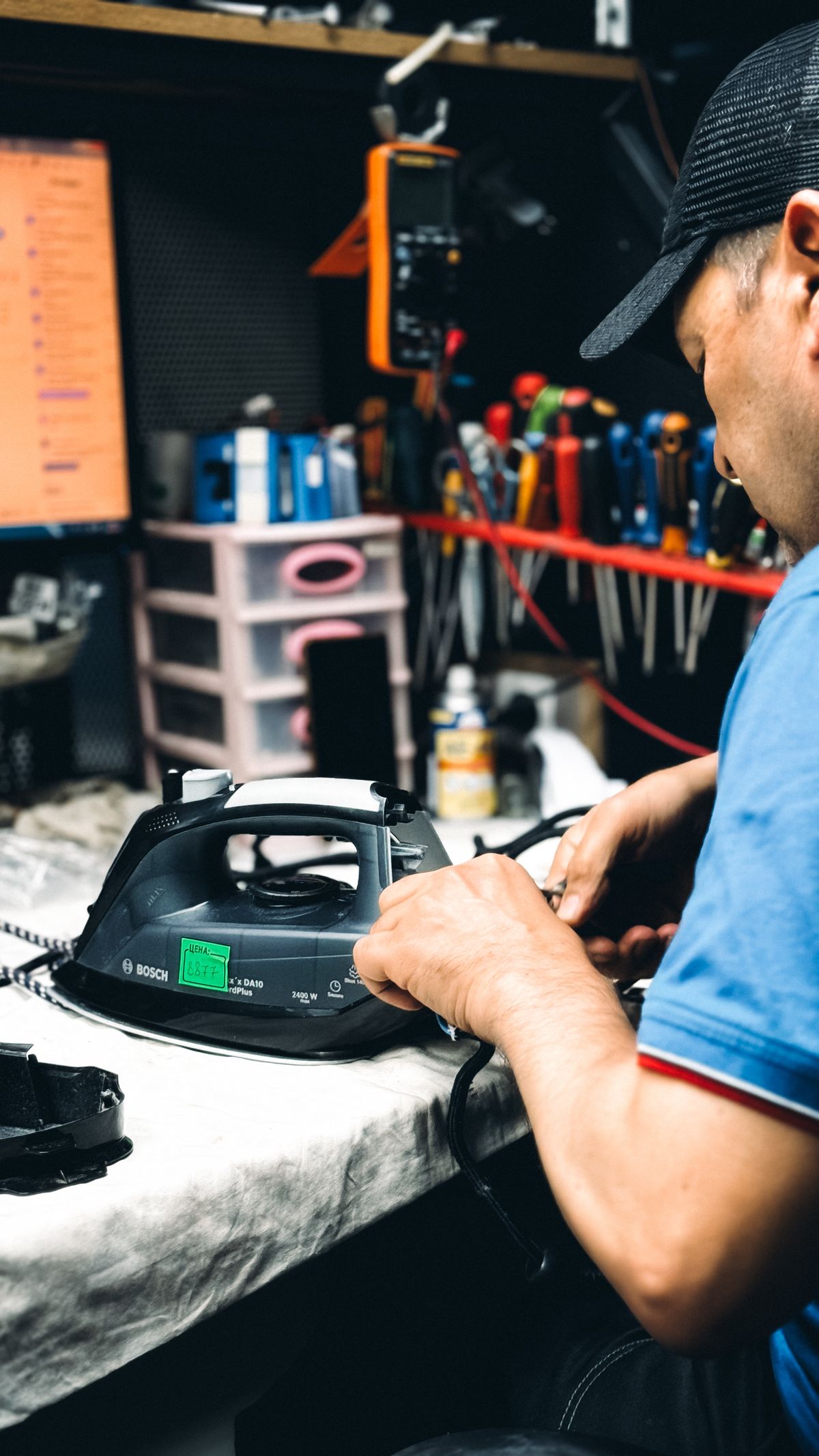
Hampton Field Diagnostics
Southern Henry County mechanical inspections
Regional Operating Environments Across Hampton Properties
Residential equipment in Hampton operates under environmental conditions that vary sharply from one parcel to another. From restored railroad cottages near Main Street to expansive parcels bordering equestrian acreage, daily usage patterns create distinctive wear profiles on domestic machines.
Evaluating appliances across this broad geographic mix requires looking past generic error codes. Our technicians check ventilation airflow, measure supply voltage under operational load, and examine physical drive components to ensure machines perform reliably in their specific home environment.
Summer Heat and Condenser Strain in Garage Refrigeration
A large number of Hampton households rely on an auxiliary refrigerator or standalone freezer stationed in a garage or storage shed to store bulk groceries, garden harvests, or party refreshments.
Residential refrigeration equipment relies on a straightforward thermodynamic principle: internal refrigerant absorbs heat from the fresh food compartment and exhausts that heat into the surrounding ambient room air through the exterior condenser coil. When outdoor summer temperatures climb past ninety degrees across southern Henry County, the stagnant air inside an uninsulated garage bay can climb well above the outdoor temperature. Under these oppressive ambient conditions, the temperature differential between the hot condenser coil and the surrounding air narrows drastically, preventing the refrigerant from condensing back into a cool liquid.
To compensate for this poor heat rejection, the compressor motor must operate continuously without cycling off. Extended duty cycles cause the motor windings to heat up rapidly, drawing excessive electrical current and repeatedly tripping the thermal overload switch mounted on the side of the compressor casing. Furthermore, when humid outdoor air slips past worn perimeter magnetic door gaskets during frequent afternoon openings, the moisture freezes directly onto the evaporator coil fins inside the freezer compartment. Over several days, this frost accumulates into solid ice barriers that block interior airflow passages, leaving the fresh food section warm while the fan motor struggles in vain.
During on-site assessments in Hampton, our technicians inspect condenser fan motor velocity, test the resistance of defrost thermostats and heating rods, and evaluate door gasket contact to pinpoint why a garage unit has lost its cooling capacity.
Red Clay Sedimentation and Laundry Equipment Failure Modes
Laundry equipment in rural and outlying areas of Hampton tackles demanding physical soil conditions that differ substantially from casual suburban apparel. Washing machines handling outdoor gear, equine blankets, and utility workwear face distinct mechanical hazards:
Isolating whether a laundry breakdown stems from an electrical solenoid fault, worn mechanical suspension dampers, or a seized drain motor prevents replacing components that still have years of functional service life remaining.
Systematic Inspection Steps for Failing Cooking Ranges
Whether preparing family dinners in an established subdivision kitchen or cooking in a historic East Main St home, an oven or cooktop that fails to heat disrupts household routines. Technicians follow a structured sequence to identify the breakdown:
- 1
Test Dedicated Line Voltage and Terminal Connections
Verify that 240-volt electrical supply feeds both hot legs evenly at the rear terminal block, checking for charred spade connectors or loose screw terminals that can cause intermittent power drops.
- 2
Measure Heating Element Resistance with a Multimeter
Disconnect power and test the continuity of bake and broil elements using an ohmmeter. A ruptured element wire shows infinite resistance, while visible blisters or pinholes indicate localized burnout.
- 3
Evaluate Gas Burner Orifice and Spark Switch Alignment
On gas stoves, inspect each burner head for cooking grease clogs or boiled-over sauces that block the gas ports. Clean the spark igniter tip and test the rotary ignition switch on each burner valve stem.
- 4
Check Oven Temperature Sensor Resistance Curves
Examine the platinum RTD sensor probe mounted in the upper rear oven cavity. Measuring sensor resistance at ambient room temperature verifies whether erratic baking results from a drifting resistance value.
- 5
Inspect Electronic Relay Boards and Safety Interlocks
Trace wiring from the primary control board to the element relays and door latch switches, ensuring solder joints have not fractured from thermal cycling over years of baking.
This methodical testing process pinpoints the exact failed element, switch, or electronic relay, giving Hampton homeowners clear diagnostic evidence before any mechanical repair begins.
Appliance Troubleshooting Scope for Hampton Homes
Our technicians travel south from Jonesboro into Henry County to conduct on-site mechanical inspections and electrical troubleshooting across major residential equipment categories.
Schedule In-Home Appliance Service in Hampton
Call (470) 847-9076 or submit your appliance symptoms online to arrange an on-site diagnostic visit with a technician traveling south from Jonesboro into Henry County.
Appliance Care on Acreage and Rural Henry County Properties
Maintaining domestic equipment on acreage along Woolsey Rd or near Hampton-Locust Grove Rd involves unique environmental factors that suburban residences rarely experience.
Unpaved driveways, open pastures, and seasonal field mowing generate substantial airborne particulate matter that drifts into utility rooms and garages. When clothes dryers pull air through the cabinet to heat tumbling garments, fine dust and outdoor pollen combine with cotton lint inside the blower wheel housing and exhaust ducting. Over time, this thick accumulation chokes exhaust velocity, forcing high-limit safety thermostats to trip repeatedly and extending drying cycles to double their normal run times.
Similarly, refrigerator condenser coils located beneath the cabinet base act like vacuum cleaner filters, pulling airborne dust, pet fur, and dried clay particles against the tightly spaced aluminum fins. Homeowners who periodically clear these lower coil assemblies with a soft brush allow their cooling systems to run cooler, reducing compressor stress and extending machine lifespan. For washing machines handling muddy outdoor workwear, pre-rinsing heavy mud from cuffs and boots using an outdoor spigot before laundering prevents abrasive grit from wearing out the pump seal.
When an unexpected noise, water leak, or heating failure occurs despite routine care, having a skilled technician perform hands-on electrical and mechanical testing ensures the root cause is resolved accurately.
Event Surges and Speedway Weekend Entertaining Stresses
When race weekends draw large gatherings toward Atlanta Motor Speedway and nearby Hampton subdivisions, household appliances face sudden, intense operational peaks.
Entertaining dozens of guests over a busy weekend places tremendous stress on refrigerator ice making systems. Built-in ice makers are engineered to harvest one small batch of cubes at a time under steady conditions. When party hosts empty the ice bucket repeatedly, the ice maker cycle runs continuously without pause. The mold heater energizes over and over to release cube batches, the sweep motor turns non-stop, and the water inlet valve solenoids pulse frequently, which can accelerate wear on older plastic gears and solenoid diaphragms.
Kitchen dishwashers also bear the brunt of weekend gatherings, running multiple heavy wash cycles back-to-back to clean roasting pans and tableware. Operating dishwashers in quick succession without allowing the motor casing to cool can cause wash pump circulation motors to run hot, especially if food debris from buffet dishes bypasses a damaged coarse filter screen. Understanding these seasonal operational surges helps Hampton residents identify early warning signs—such as unusual humming from the freezer or cloudy wash results—before a total breakdown occurs.
Unsure why your household machine is buzzing, leaking, or refusing to start?
Browse our detailed guides on common mechanical noises, error patterns, and temperature drops before requesting an in-home evaluation in Hampton.
Hampton Homeowner Diagnostic Questions
Clear technical answers addressing garage cooling challenges, red clay soil strain on laundry units, and range upkeep across Hampton properties.
Call Our Diagnostic Desk
Contact our team at (470) 847-9076 to discuss your machine symptoms and arrange an on-site visit for your Hampton residence.
In-Person Component Evaluation
A technician inspects heating coils, motors, pumps, and switches directly inside your home to isolate the failing hardware.
| Service | Typical Cost Range | Time Estimate |
|---|---|---|
| Appliance Diagnostic | FREE with repair | Same day |
| Minor Repair | $85 – $175 | 1 – 2 hours |
| Part Replacement | $125 – $350 | Same day or next day |
| Major Repair | $200 – $500 | 1 – 2 days |
| Emergency Service | Call for quote | Same day available |
*Diagnostic fee waived when you proceed with repair. Flat-rate pricing — no surprises. 90-day parts & labor warranty on all repairs.
Ready to Schedule Your Appliance Repair?
Same-day diagnostics available. Diagnostic fee waived with repair. 90-day parts & labor warranty.
Call (470) 847-9076