Appliance Repair in Fairburn, GA
Jonesboro Appliance Repair GA handles dishwashers, top-load washing machines, cooking ranges, and refrigerators for Fairburn homeowners. Our technicians drive from Clayton County across to South Fulton subdivisions and downtown avenues, testing components directly inside your home so you have clear answers before any work starts.
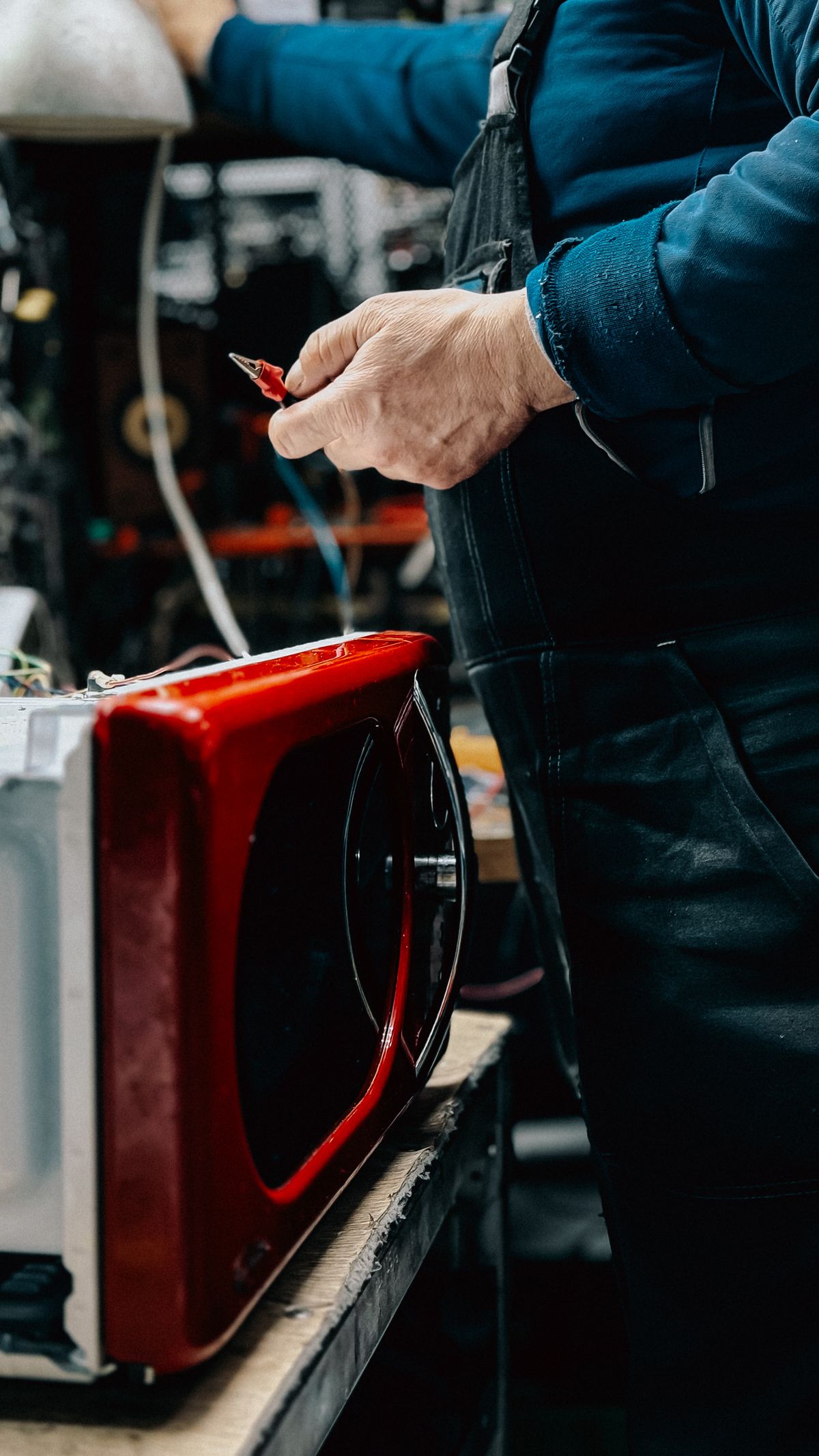
Fairburn In-Home Service
South Fulton kitchen & laundry diagnostics
Dishwasher and Washer Failures in Established Fairburn Subdivisions
Neighborhood developments constructed across Fairburn during the late 1990s and 2000s along Senoia Road, Bohannon Road, and Hudson Plaza corridors share similar appliance wear. Two machines bear the brunt of everyday family life in these homes: dishwashers running nightly cycles and top-load washing machines handling high-volume laundry loads.
These mechanical failures develop gradually through repeated household operation. Identifying whether an issue involves an electrical switch, a worn damper assembly, or a jammed pump housing ensures the exact failing component is replaced rather than guessing at symptom-level complaints.
Commuter Household Schedules and Appliance Strain Along the I-85 Corridor
Fairburn has evolved into a vital South Fulton commuter community where residents commute north toward Atlanta, head toward Hartsfield-Jackson airport terminals, or work across regional freight distribution facilities near Oakley Industrial Boulevard.
Long commutes along Interstate 85, Senoia Road, and US-29 directly dictate how Fairburn families operate their major home appliances. Instead of running single loads during the middle of the day, homeowners frequently schedule delayed dishwasher wash cycles right before bed, or run three consecutive loads of work clothing, activewear, and school uniforms late on Sunday evenings.
Running laundry and wash equipment during off-peak and unattended night hours changes the failure pattern. A dishwasher drain pump that struggles against a minor check valve obstruction might run hot for an hour unnoticed while the household sleeps, eventually burning its motor winding. Similarly, a top-load washer that enters its spin cycle with worn snubber pads or weak suspension springs will bang continuously until its internal balance switch shuts the unit down, leaving heavy wet laundry trapped inside an error-locked tub before Monday morning work shifts.
When an appliance breaks down in a busy commuter household, there is little margin for prolonged troubleshooting confusion. Our in-home evaluations focus directly on functional testing of the mechanical drive train, water valves, switches, and drain passages so homeowners know exactly what component needs attention to get their household rhythm back on track.
Downtown Historic Dwellings Versus Master-Planned Subdivisions
Appliance configurations in Fairburn diverge sharply between the city's historic core and the expansive residential subdivisions that sprang up along its outer borders.
Around the historic downtown district flanking West Broad Street, Dodd Street, and Campbellton Street near Landmark Christian School, homes carry decades of architectural character. Kitchens in these properties are often cozy galley layouts or vintage dining-kitchen combinations. Because cabinet openings and utility alcoves were dimensioned for mid-century appliances, modern replacements must fit snug enclosures. Undercounter dishwashers operate in close cabinetry where water supply shut-off valves may be located in adjacent crawlspaces or behind tight baseboards, making accurate leak diagnosis around door gaskets, float switches, and drain elbows vital.
In contrast, subdivisions built between 1995 and 2010 off Senoia Road (Highway 74) and Bohannon Road present open-concept floorplans with large central islands, expansive utility rooms, and standard 30-inch appliance bays. In these residences, dishwashers run heavy family cycles while top-load washing machines endure continuous daily turnover. The primary stress in these homes stems not from spatial constraints, but from mechanical fatigue across rotating parts, such as split drain hoses, seized wash circulation impellers, cracked wash agitator directional cogs, and loose drive pulley splines.
Recognizing the difference between historic retrofit conditions and modern subdivision wear patterns allows our technicians to evaluate each machine within its actual physical setting, ensuring the repair holds up under the specific conditions of your home.
Practical Diagnostic Checks for Top-Load Washers and Dishwashers
When a top-load washer stops spinning or a kitchen dishwasher fails to clear water, evaluating key mechanical checkpoints isolates whether the failure is a simple obstruction or a failed mechanical assembly.
- 1
Inspect the Washer Lid Switch Engagement
Examine the plastic plunger tab on the inner edge of the washer lid. If the plastic tang has snapped off or the internal microswitch fails to click when the lid closes, the control board will never send power to the spin motor.
- 2
Listen for Drain Pump Motor Hum vs Silence
When the cycle reaches the drain phase, listen closely near the floor under the machine. A distinct buzzing or humming sound without water draining indicates a jammed impeller, while complete silence suggests an open electrical winding or an interrupted signal from the timer.
- 3
Check Dishwasher Sump Filter Cleanliness
Rotate and lift the cylindrical microfilter assembly located at the bottom of the stainless or plastic tub. Trapped fruit pits, glass shards, or thick grease accumulation can starve the circulation wash pump of clean water flow.
- 4
Assess Upper Spray Arm Rotation & Clearance
Spin the middle and lower wash arms by hand to verify smooth rotation without catching on the heating element or tall plates. Check individual water nozzles for mineral crusting that diverts water spray away from soiled cookware.
- 5
Examine Top-Load Suspension Stability
Push down firmly on the center of the washer agitator and release it abruptly. A healthy suspension will bounce back up and stop immediately; if the tub continues bouncing loosely like a car with blown shock absorbers, the suspension rods have lost their damping tension.
These initial observations provide valuable clues that help narrow down whether your machine requires a new lid lock assembly, replacement suspension dampers, or a fresh wash pump motor.
Appliance Diagnostic Focus for Fairburn Homes
We provide hands-on mechanical evaluation and troubleshooting across major household categories, emphasizing top-load laundry machines, dishwashers, cooking appliances, and refrigeration.
Request an In-Home Diagnostic Visit in Fairburn
Call (470) 847-9076 or send your appliance symptoms online to arrange an evaluation for your washer, dishwasher, oven, or refrigerator anywhere in Fairburn.
Why Dishwasher Wash Impellers and Washer Agitators Fail Over Time
Understanding how moving parts interact inside your kitchen and laundry appliances sheds light on why seemingly sudden breakdowns actually stem from gradual wear.
Inside an undercounter dishwasher, two separate pumping mechanisms do the heavy lifting: the circulation wash pump and the waste drain pump. The circulation pump utilizes a high-speed impeller to drive hot soapy water through internal diverter valves up into the wash arm spray tips. Over years of handling gritty food particles and hot grease, the plastic impeller vanes can chip, crack, or strip their brass insert threads on the motor shaft. When this happens, the motor spins normally, but water pressure inside the tub drops so severely that dishes remain untouched by cleaning water.
Similarly, in dual-action top-load washing machines, the agitator assembly relies on a set of small plastic directional cogs—often called agitator dogs. As the bottom section of the agitator pulses back and forth, these directional cogs ratchet to force clothing downward into the wash water. After years of laundering heavy bedding and thick work garments, the plastic teeth on these cogs round off smooth. The bottom of the agitator may still turn, but the top portion sits motionless, leaving clothes sitting stationary at the water line during the entire wash sequence.
Replacing worn agitator cogs, tired drive couplings, or eroded pump impellers restores original washing action without requiring a full machine replacement. Our technicians inspect these mechanical junctions right inside your laundry area or kitchen.
Struggling to figure out why your household machine stopped working?
Explore our helpful collection of common warning signs, strange noises, and cycle interruptions before booking an in-home evaluation in Fairburn.
Common Appliance Questions in Fairburn
Explore straightforward explanations for dishwasher drainage trouble, washing machine balance issues, and appliance differences across Fairburn neighborhoods.
Call Our Diagnostic Team
Reach us at (470) 847-9076 to describe your appliance symptoms and reserve an upcoming visit for your Fairburn residence.
Hands-On Mechanical Testing
Our technicians inspect switches, pumps, motors, and wiring harnesses directly inside your home before any repair proceeds.
| Service | Typical Cost Range | Time Estimate |
|---|---|---|
| Appliance Diagnostic | FREE with repair | Same day |
| Minor Repair | $85 – $175 | 1 – 2 hours |
| Part Replacement | $125 – $350 | Same day or next day |
| Major Repair | $200 – $500 | 1 – 2 days |
| Emergency Service | Call for quote | Same day available |
*Diagnostic fee waived when you proceed with repair. Flat-rate pricing — no surprises. 90-day parts & labor warranty on all repairs.
Ready to Schedule Your Appliance Repair?
Same-day diagnostics available. Diagnostic fee waived with repair. 90-day parts & labor warranty.
Call (470) 847-9076