Appliance Repair in East Point, GA
When vintage electrical setups or legacy utility lines cause kitchen and laundry breakdowns in East Point, a technician travels up from Jonesboro in Clayton County to test circuits, clear plumbing screens, and restore proper mechanical operation.
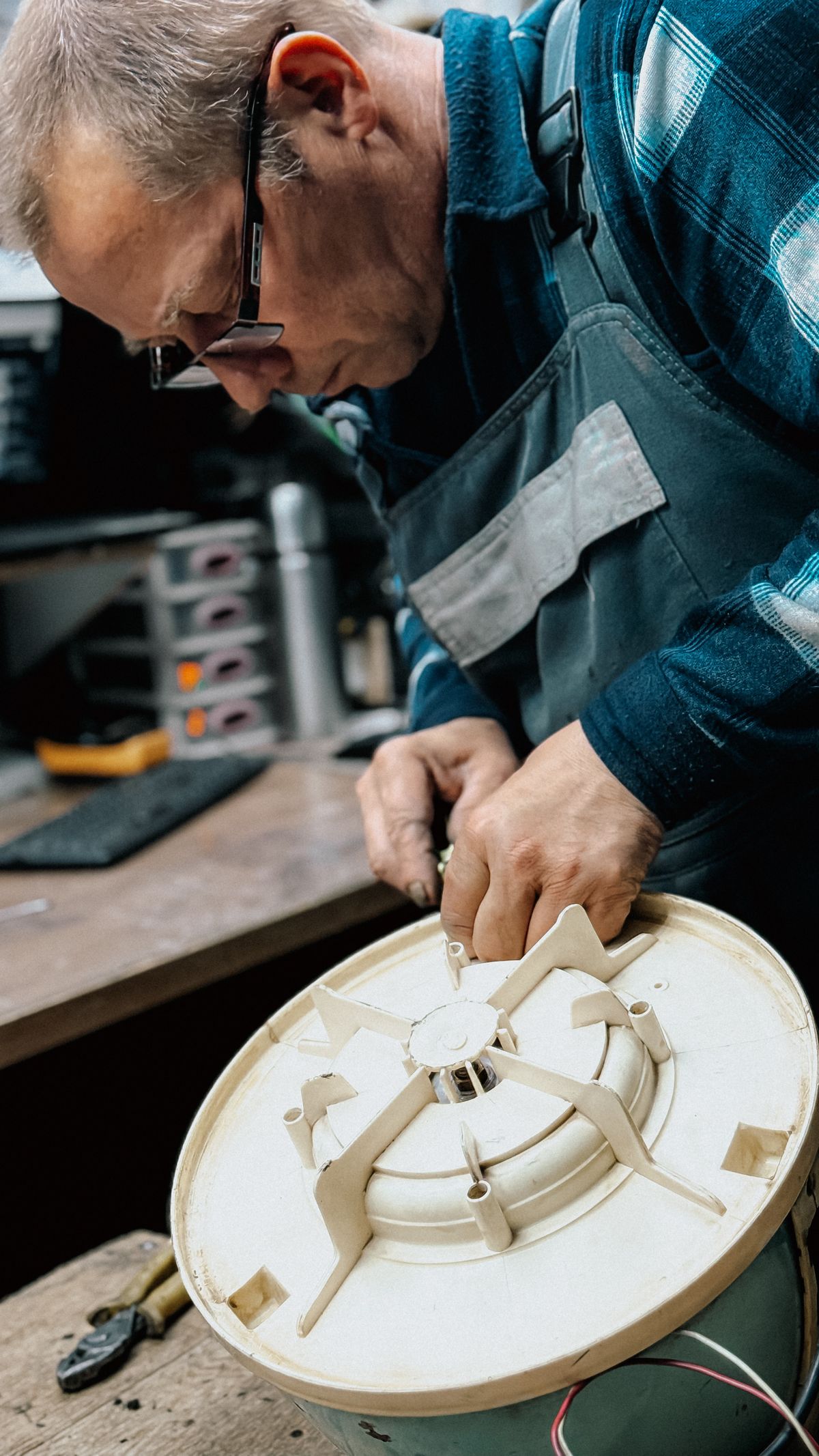
East Point Mechanical Services
Troubleshooting legacy power connections and modern kitchen systems across historic Fulton neighborhoods
Legacy Power Hookups Meeting High-Efficiency Home Machinery
Historic residences across East Point feature craftsman trim, solid plaster walls, and electrical panels that have witnessed multiple rounds of modernization across generations.
In many houses near Downtown East Point and along the historic rail tracks, earlier electrical installations were engineered for a modest kitchen footprint: a small refrigerator, a modest stove, and perhaps a simple top-loading wash tub. Today's households introduce high-draw induction elements, digital front-load tumbling systems, and multi-cycle dishwashers that pull substantial current across branch wiring originally routed decades ago.
A common trouble point involves the junction points where modern appliance cords join older wall receptacles. When a high-amperage heating element turns on inside an electric dryer or oven, loose copper-to-aluminum splice nuts or aged receptacle terminals warm up under sustained load. The resulting voltage sag starves electronic microprocessors on modern control boards, prompting cryptic error codes, sudden machine restarts, or flickering indicator displays that puzzle homeowners.
Rather than guessing at board defects, the diagnostic visit examines terminal block tension, looks for scorch marks behind the outlet plate, and tests incoming line voltage directly at the machine connection screws to ensure clean electricity reaches internal switches.
Three-Prong Receptacles, Neutral Bonding, and Appliance Ground Paths
Many homes built prior to modern electrical code revisions still feature ungrounded three-slot 240-volt receptacles for electric ranges and clothes dryers.
In a conventional older three-wire setup, the neutral conductor shares duty as the equipment chassis ground through a metal bonding jumper strap on the appliance terminal block. If an appliance cord is connected incorrectly, or if the neutral line suffers oxidation back at the subpanel, the metal cabinet of a dryer or cooking range can carry a low-level stray electrical potential.
Whenever a new appliance enters a home near Jefferson Park or Washington Road, verifying the bond between the metal chassis, terminal block, and power cord is essential for occupant protection. A missing chassis strap on a three-prong cord leaves the outer casing completely ungrounded, while leaving a bonding jumper attached when converting to a four-prong pigtail causes neutral feedback current across the frame.
Inspection clarifies how the internal grounding path is wired, tightens ring connectors to eliminate high-resistance hot spots, and verifies that the appliance frame remains completely neutral when heating coils cycle under full operational load.
Physical and Environmental Stresses Inside South Fulton Homes
Appliance faults in older neighborhoods often trace back to the physical compartments where equipment was shoehorned during twentieth-century renovations.
Identifying these structural conditions ensures that after a heating coil, water valve, or motor is replaced, the underlying environmental factors will not immediately trigger a duplicate breakdown.
Sediment Screens and Water Valve Failures on Older Supply Runs
Kitchen sinks, dishwashers, and laundry hookups in older homes often receive water through supply pipes that shed microscopic mineral scale and rust flakes over time.
Modern washing machines and dishwashers use delicate solenoid valves controlled by low-voltage signals from the main circuit board. Built into the inlet spigots of these valves are microscopic filter screens designed to catch coarse debris before water passes through the pilot orifice and rubber diaphragm. In East Point homes where plumbing sections have aged, these mesh cones gradually fill with mineral grit.
When intake flow slows down, digital washers display fill-timeout error codes and cancel the wash cycle midway through soap dispensing. Meanwhile, dishwashers run through heated wash sequences with inadequate water depth, leaving glassware gritty and triggering overheating warnings on exposed wash elements.
Testing determines whether the sluggish fill stems from blocked inlet screens, weak water pressure at the dual wall shutoff valves, or an electrically open solenoid coil that fails to lift the internal plunger.
Appliance Repair Specialties for East Point Residences
Targeted diagnostic and mechanical service for laundry and cooking equipment operating in East Point's distinctive homes.
Need Help With an Appliance in East Point?
Submit your equipment symptoms or call directly to arrange a thorough mechanical and electrical diagnostic visit for your home.
Managing Mechanical Breakdowns in Converted Living Areas
Renovated bungalows and older duplex layouts introduce unique mechanical challenges when appliances run in compact rooms.
Inspecting both the appliance and its installation alcove ensures each component operates under the clearances and ventilation it needs to function properly.
Renovated Kitchens Inside Century-Old Home Enclosures
Remodeling a century-old East Point kitchen brings modern aesthetic appeal, but modern appliances still rely on underlying infrastructure that must match their operational specs.
During home makeovers, homeowners frequently replace older gas ranges with high-output electric cooking surfaces, slide heavy French-door refrigerators into former breakfast nooks, and tuck quiet dishwashers under custom butcher-block or stone countertops. If cabinet openings lack adequate space for air circulation behind condenser coils or around oven chassis vents, internal operating temperatures rise dramatically.
Refrigerators trapped in tight enclosures without breathing room suffer premature failure of condenser fan motors and run longer cooling cycles that overwork the sealed compressor. Likewise, built-in dishwashers pushed tight against cold exterior walls in winter can experience frozen intake hoses or drainage line blockages if pipe insulation was omitted during the remodel.
Careful diagnostic evaluation looks at both the internal electrical and mechanical systems of the appliance as well as surrounding airflow clearances, ensuring your remodeled kitchen operates smoothly without recurring thermal or electrical breakdowns.
Trying to Identify Strange Machine Symptoms?
Explore our common problem guides to learn why circuit breakers trip, washing machines fail to fill, or clothes dryers run without producing heat.
Inquiries on Older Home Mechanical Systems
Clear technical answers addressing the electrical hookups, plumbing sediment, and structural layouts common across East Point properties.
Direct Phone Inquiries
Call our team to discuss machine noises, electrical quirks, or error codes observed in your home.
On-Site Component Testing
We test switches, solenoids, coils, and terminal connections directly at the machine installation point.
| Service | Typical Cost Range | Time Estimate |
|---|---|---|
| Appliance Diagnostic | FREE with repair | Same day |
| Minor Repair | $85 – $175 | 1 – 2 hours |
| Part Replacement | $125 – $350 | Same day or next day |
| Major Repair | $200 – $500 | 1 – 2 days |
| Emergency Service | Call for quote | Same day available |
*Diagnostic fee waived when you proceed with repair. Flat-rate pricing — no surprises. 90-day parts & labor warranty on all repairs.
Ready to Schedule Your Appliance Repair?
Same-day diagnostics available. Diagnostic fee waived with repair. 90-day parts & labor warranty.
Call (470) 847-9076