Dryer Not Drying Clothes in Jonesboro, GA
A dryer leaving clothes damp usually has a clogged lint screen or vent duct, a failing heating element, a weak gas valve coil, a coated moisture sensor, or an overloaded drum, which a technician can reliably diagnose in one visit.
When your dryer tumbles for hours without getting laundry dry, restricted exhaust airflow or weak heating circuits waste energy and create safety hazards. We help Clayton County households resolve prolonged drying cycles quickly.
- Serving Jonesboro and Clayton County
- Call or book online
- Repair help for major brands
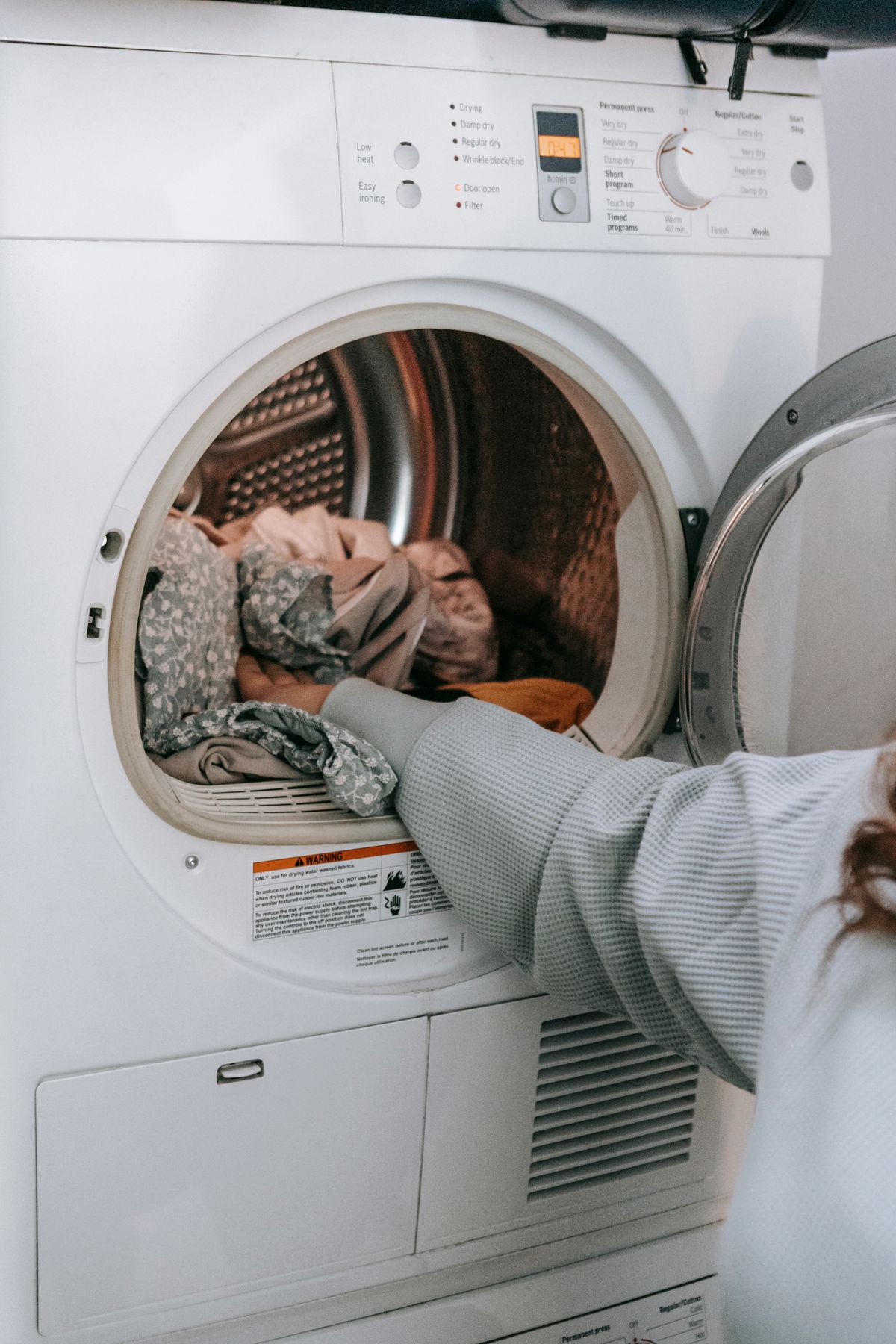
Common Causes of Damp Laundry and Extended Drying Times
If your dryer runs its full duration but garments remain damp, multiple heating, airflow, or sensing components may be underperforming. Here are the most frequent culprits.
Clogged Exhaust Vent Line
Lint accumulation inside the exterior ductwork traps humid air inside the drum, drastically slowing evaporation and forcing repeated drying cycles.
Crushed Flexible Transition Duct
A crushed or kinked foil hose behind the dryer restricts exhaust airflow, causing high humidity retention and overheating safety cutoffs.
Weak Electric Heating Element
A failing element or broken coil loop may produce faint warmth but cannot reach normal operating temperatures needed to dry dense fabrics.
Failing Gas Valve Coils
Worn solenoid coils on gas dryers open the burner once when cool, then shut off prematurely as cabinet heat builds up during the cycle.
Residue on Moisture Sensor Bars
Dryer sheet wax coats the electronic moisture sensor strips, falsely signaling that wet clothing is dry and terminating auto cycles early.
Cycling Thermostat Drift
An out-of-calibration operating thermostat cuts power to the heat source at lower temperatures than required, leaving laundry damp and heavy.
Explore Related Resources
Detailed repair diagnostics & comprehensive service overviews
DIY Checks Before You Call About a Dryer Not Drying Clothes
Before scheduling an on-site service visit, try these simple, non-invasive homeowner checks to rule out airflow blockages and laundry loading mistakes.
Deep-Clean the Lint Screen
Remove lint from the mesh screen and wash it with warm soapy water to remove invisible fabric softener residue blocking airflow.
Inspect the Outdoor Vent Flapper
Walk outside while the dryer runs to confirm the exterior exhaust hood flapper opens freely and discharges strong warm air.
Reduce Laundry Load Volume
Avoid stuffing the drum completely full. Wet clothing requires adequate open space to tumble freely and contact circulating warm air.
Clean the Moisture Sensor Bars
With the unit powered off, wipe the curved metal sensor strips near the lint trap using rubbing alcohol to clear residue.
Check the Transition Hose
Gently pull the unit forward and ensure the flexible duct behind the cabinet is not crushed flat against the laundry room wall.
Dryer Drying Performance Repair Tiers
Repair costs generally follow three standard tiers: lower tier covers simple adjustments, lint cleanouts, or small switches; mid tier involves common mechanical and electrical parts like thermostats, coils, or sensors; higher tier includes major element assemblies or motors where comparing repair against replacement makes sense. These tiers represent typical national averages, not an exact quote.
| Typical Repair | What Changes the Cost | Typical National-Average Tier |
|---|---|---|
| Moisture Sensor Cleaning or Wiring Repair | Sensor bar corrosion, wiring harness access, and control board calibration | Lower tier |
| Cycling Thermostat or Thermal Cutoff Replacement | Thermostat bracket access, cabinet disassembly depth, and exhaust duct condition | Lower to mid tier |
| Gas Valve Solenoid Coil Set Replacement | Gas manifold positioning, burner assembly clearance, and flame sensor testing | Mid tier |
| Electric Heating Element Assembly Replacement | Element wattage, housing canister style, and high-limit wiring terminal condition | Mid to higher tier |
| Blower Wheel or Drive Motor Replacement | Blower housing corrosion, motor shaft seizure, and cabinet teardown requirements | Higher tier |
Tier ranges reflect typical national averages. The final quote for your home in Jonesboro comes after a technician inspects the appliance on site.
When to Call a Technician for Long Drying Times
While basic lint maintenance is safe for homeowners, persistent dampness often involves electrical continuity checks, gas burner diagnostics, and internal disassembly.
Burning Odor or Overheating Cabinet
If the exterior cabinet feels scorching hot or smells of scorched lint, stop using the appliance immediately to avoid a fire hazard.
Gas Burner Shuts Off After Minutes
Diagnosing gas solenoids and flame sensors requires multimeter bench testing and safe handling around fuel lines.
Timed Dry Produces No Heat
When switching to timed manual dry still yields lukewarm results, internal element coils or safety switches need technical verification.
Repeated Thermal Fuse Failures
If replacing a safety fuse blows again immediately, a technician must resolve underlying cabinet airflow and blower restrictions.
Clayton County Dryer Service Coverage
Our technicians travel across local communities daily, helping homeowners restore fast, efficient laundry cycles.
Dryer Not Drying Clothes FAQ
Tired of Running Multiple Dryer Cycles?
Restore normal drying times and lower your energy costs. Call (470) 847-9076 or book online to schedule service for your dryer in Jonesboro or Clayton County.
| Service | Typical Cost Range | Time Estimate |
|---|---|---|
| Dryer Diagnostic | FREE with repair | Same day |
| Minor Repair | $85 – $175 | 1 – 2 hours |
| Part Replacement | $125 – $350 | Same day or next day |
| Major Repair | $200 – $500 | 1 – 2 days |
| Emergency Service | Call for quote | Same day available |
*Diagnostic fee waived when you proceed with repair. Flat-rate pricing — no surprises. 90-day parts & labor warranty on all repairs.
Ready to Schedule Your Appliance Repair?
Same-day diagnostics available. Diagnostic fee waived with repair. 90-day parts & labor warranty.
Call (470) 847-9076Pricing guides: Dryer repair cost guide
Related problems: Dryer Making Noise